Every holiday has a familiar figure associated with it that comes out whenever it’s that time of the year. Whether in stores, across social‑media feeds, and from smiley pumpkins to smiling men in red and a rabbit that poops chocolate eggs, behind the characters there’s centuries of history and stories, cultural adaptation, and more. Holiday figures have evolved far beyond their original roles, but not many people know what their original roles were.
Halloween
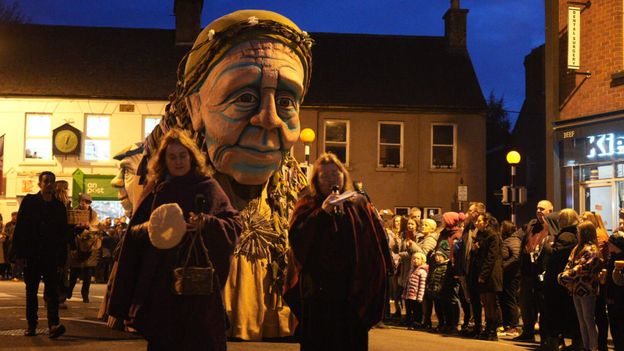
Halloween is the holiday whose figure has changed the most drastically over time. The modern jack‑o’-lantern, with its teeth and a smile, and a lit candle in its mouth, originated in Irish folklore.
According to legend, a man named Stingy Jack who outsmarted the Devil found himself barred from both Heaven and Hell after death. As the tale goes, he was “doomed to roam the Earth with only a hollowed turnip to light his way”. Over time, people began carving scary faces into turnips (and other root vegetables) and placing candles inside, to ward off evil spirits roaming on nights when the veil between worlds was believed to thin.
“Then since Jack is unfit for heaven, And hell won’t give him room, His ghost is forced to walk the earth, Until the day of doom… A lantern in his hand he bears…” Quote from the 1851 poem “The Romance of Jack O’ Lantern.”
When Irish and Scottish immigrants arrived in America in the 19th century, they found pumpkins native to North America far easier to carve than turnips. The pumpkin then became the emblem of Halloween. So, pumpkins were transformed from simple folk‑ritual objects into creative art forms. Smiling, scary, and elaborate designs are now all over every October, in community festivals, and social‑media posts. Halloween has matured from a night of warding off spirits to a celebration of imagination, community, and obviously, candy.

Christmas
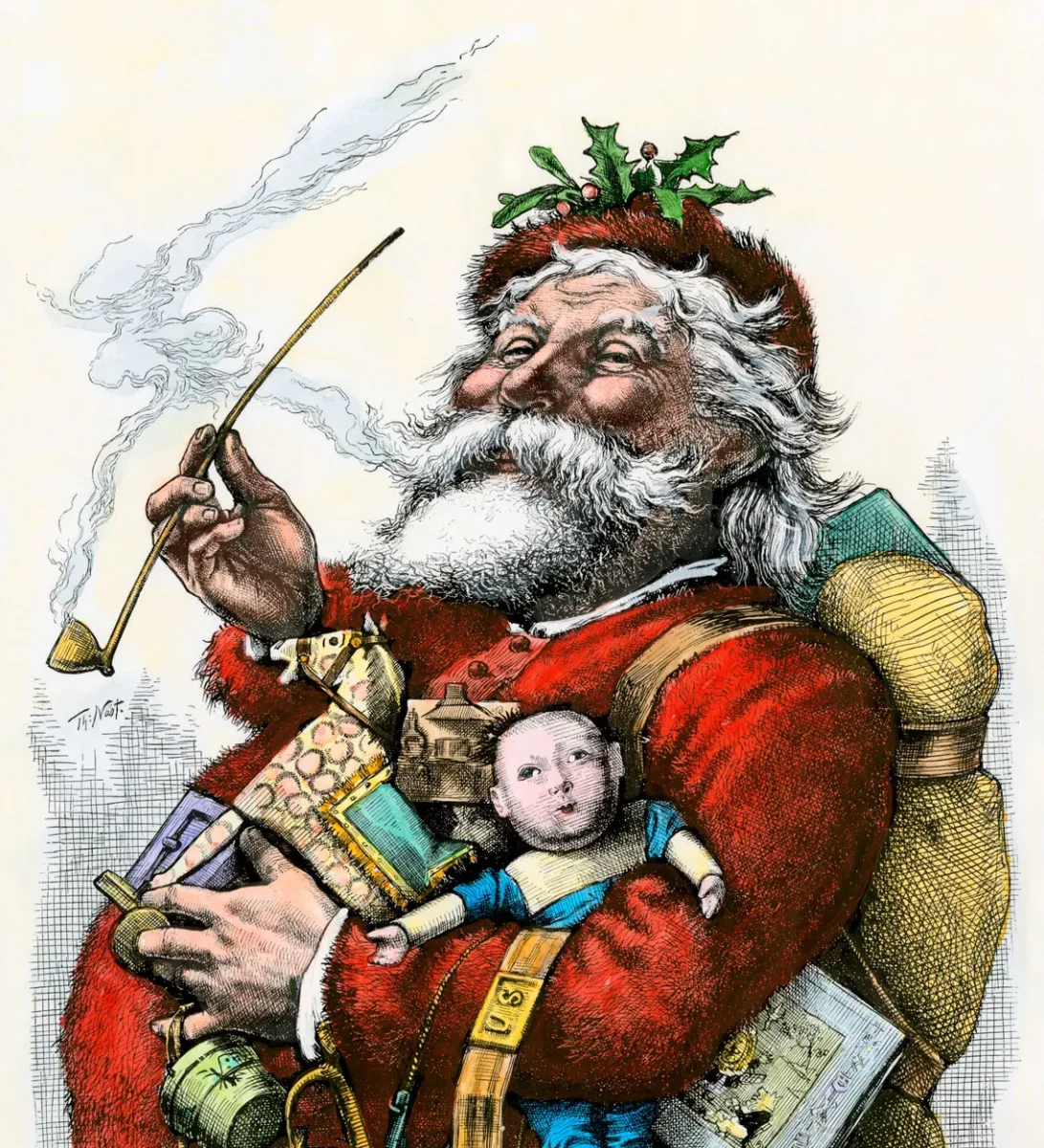
Christmas’s evolution is a story of religious celebration intersecting with cultural reinterpretation. Originally, the holiday centered on the birth of Jesus Christ, was mainly a day of nativity scenes, church services, and spiritual reflection. Over centuries, folklore began to intertwine with religion and eventually commerce. A big part of this transformation is Santa Claus (known earlier in various European traditions as Saint Nicholas). His modern image is a jolly fat man who sneaks into chimneys on flying reindeer to eat cookies and give presents, which is very different compared to the 19th‑century poem he originates from.
The poem “A Visit from St. Nicholas”, first published anonymously in 1823 set the stage for the now‑famous Santa. Its opening lines read “’Twas the night before Christmas, when all through the house, Not a creature was stirring, not even a mouse…”
And its description of St. Nick helped create folklore parents tell their kids today, as the poem also said, “His eyes—how they twinkled! his dimples, how merry! His cheeks were like roses, his nose like a cherry!… He had a broad face and a little round belly / That shook when he laughed, like a bowl full of jelly.”
That poem reshaped how many Americans, and eventually people around the world imagine Christmas; not as a religious observance, but as a cozy, domestic night of wonder, stockings, gift‑giving, and warmth. Today, Christmas is often associated with many people celebrating in two different ways, one rooted in faith and tradition, the other in cultural festivity. Kids still wait for Santa, even as nativity scenes surround them. It’s just a part of the holiday now.
Easter
The core of Easter remains a deeply religious celebration, the resurrection of Jesus Christ. But over time, Easter absorbed elements from older spring‑time traditions, especially those celebrating renewal, fertility, and new life.
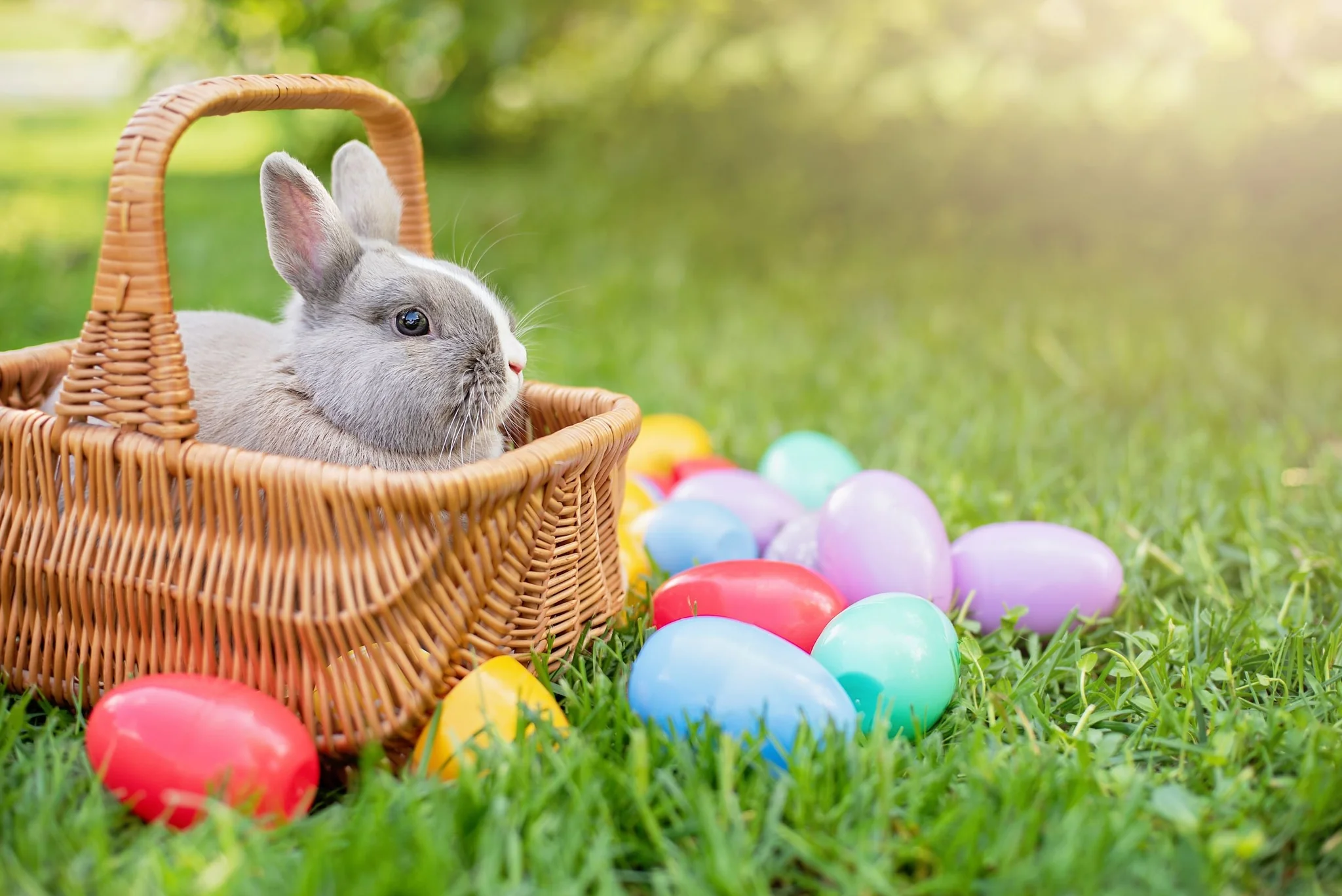
One such tradition is the Easter Bunny, a folkloric figure that emerged in the 17th century among German Lutherans as the “Osterhase” or “Easter Hare.” According to folklore, the Easter Bunny would lay decorated eggs for children who were good, a kind of seasonal “reward” akin to gift‑giving at Christmas.
The Easter Bunny originally played the role of a judge, evaluating whether children were good or disobedient in behavior at the start of Easter season. German immigrants brought this tradition to America in the 1700s, and over time the hare transformed into a rabbit; eggs and candy replaced simple painted eggs, and Easter baskets took the place of nests. So the Easter Bunny, along with colorful eggs, baskets, and candy became the most visible symbol of Easter. Even as many believers continue to observe Easter for its spiritual meaning, for countless others the holiday has come to signify spring, renewal, and just a day to have fun.
Valentines Day
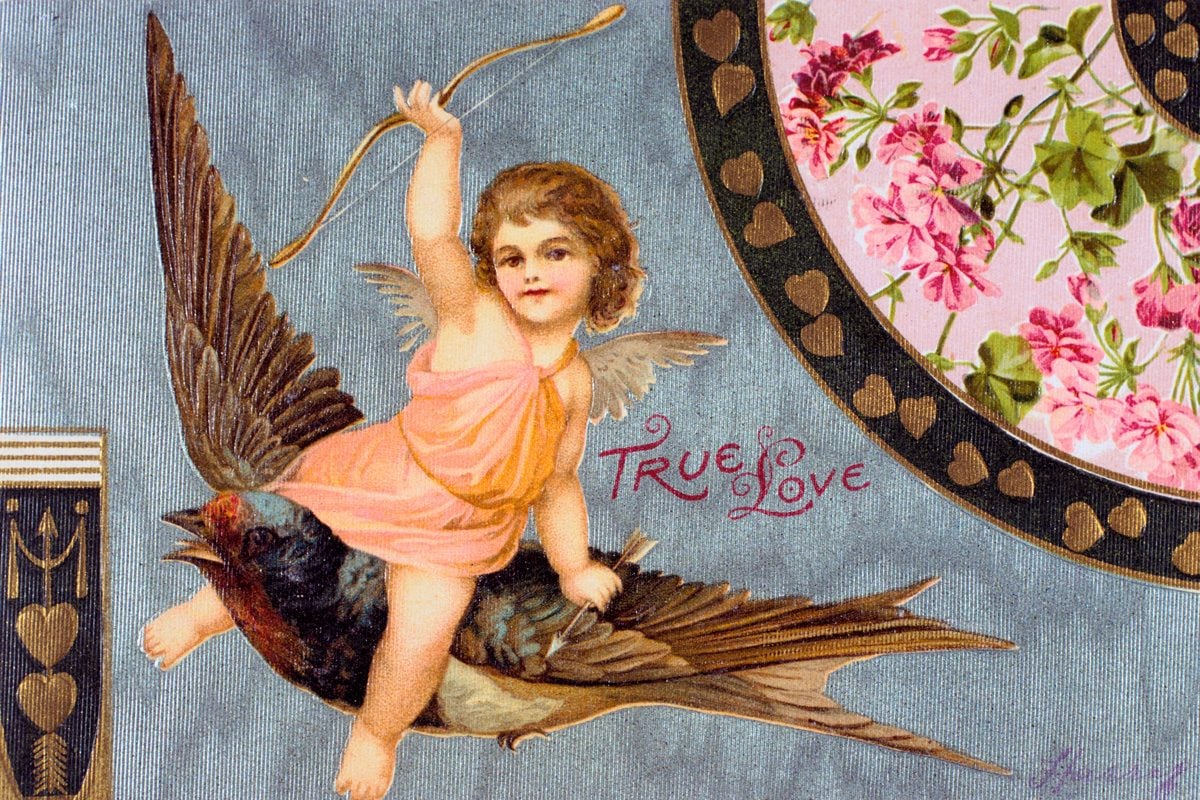
Valentine’s Day is another example of how ancient myth and modern customs merge. The baby-like figure with a bow and arrow derives from Cupid, the Roman god of desire. His arrows were said to sow love and passion; over time, he came to embody romantic love in popular imagination. As Valentine’s Day evolved, Cupid and other symbols like hearts, flowers, cards, replaced or accompanied any spiritual or religious connotations. The holiday became less about saints or martyrs, and more about human emotions like love and affection. In modern culture, Cupid appears on cards, chocolates, and decorations as a playful, generally prominent figure whose roots in mythology are often forgotten about. Yet his presence in the holiday alone serves as a reminder of how deeply ancient stories continue to influence our celebrations.
Chinese New Year
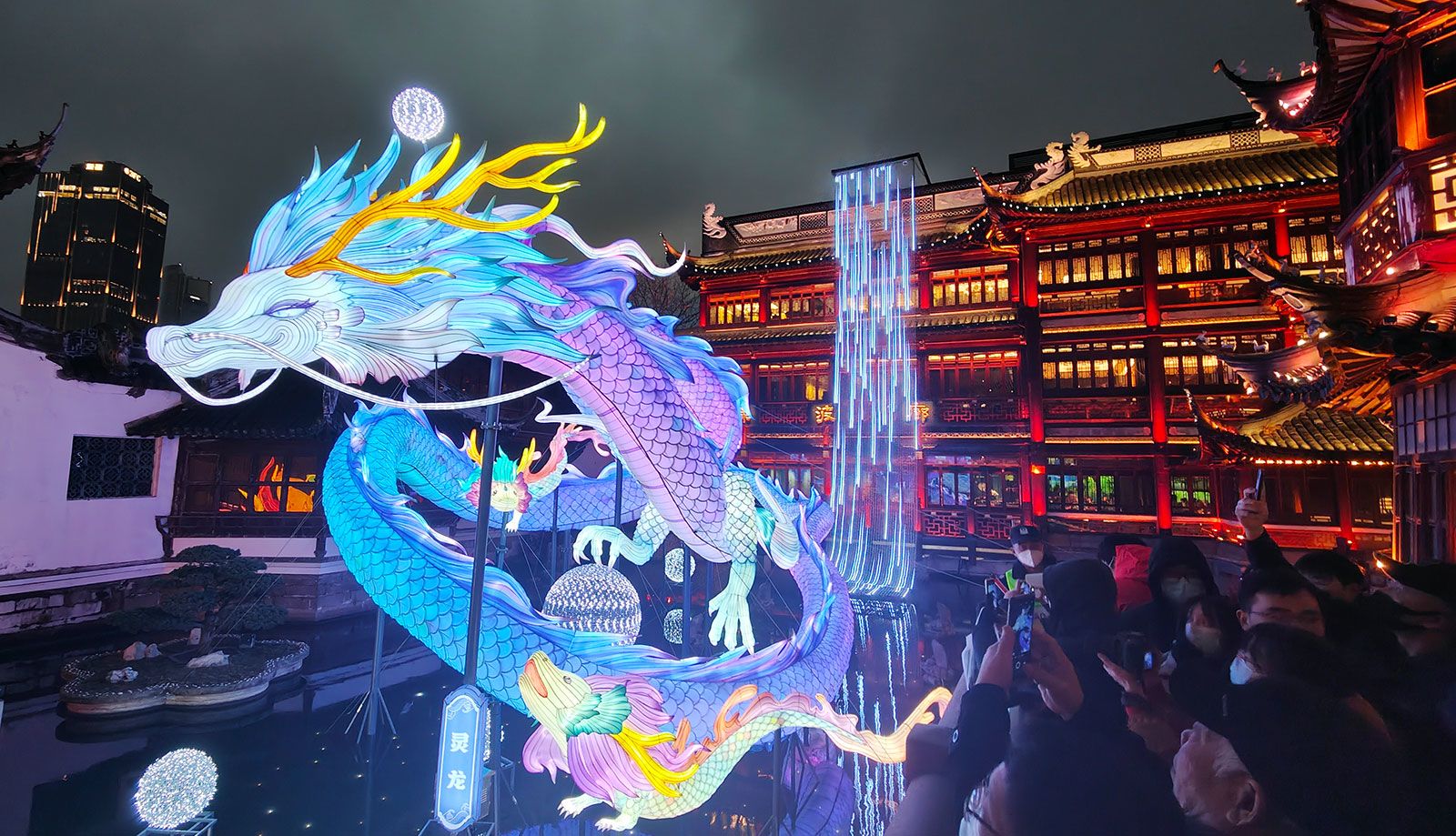
In many Asian cultures, dragons symbolize power, prosperity, and wisdom, not danger or intimidation. During Chinese New Year, the dragon becomes a vivid symbol of renewal, strength, and communal hope. Massive, colorful dragon puppets slither through streets, carried by dancers while drums and firecrackers announce a new year. While the dragon remains rooted in mythology and centuries-old beliefs, over time its presence has been shaped by urban parades, commercial merchandise, and global appreciation. The dragon now stands not only for cultural heritage but also for celebration. This blend of the ancient and the contemporary mythic symbol in a mass‑celebration is a perfect example of how holiday figures evolve to meet the needs and imaginations of changing societies.
Hanukkah
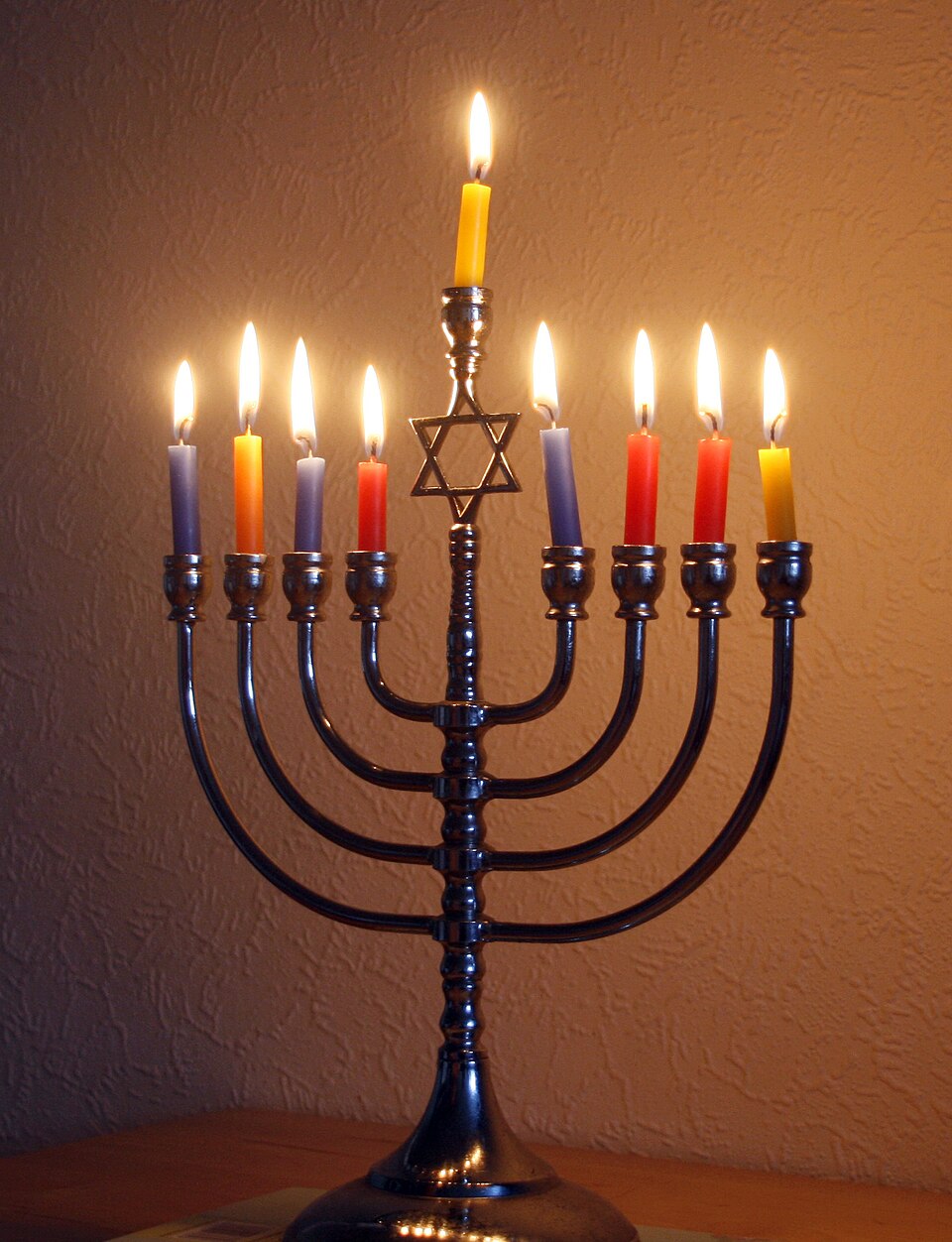
Hanukkah commemorates the rededication of the Second Temple in Jerusalem after the Maccabean Revolt, and the miracle of the oil that lasted eight days. The central symbol remains the menorah, which is a nine‑branched candelabrum; eight for each night of Hanukkah, plus a “shamash” helper candle. In contemporary practice, Hanukkah also includes small gifts, festive meals, and symbolic tokens like the dreidel and chocolate “gelt.” The holiday has become, for many families, a time of both religious tradition and cultural celebration, and a way to honor heritage while sharing warmth, light, and community. The evolution of Hanukkah’s “figure” is less grand when compared to holidays like Christmas or Easter. There’s no central mythical mascot and very little changes, it stays consistent. Instead, the menorah itself, burning candles one by one through eight nights stands as the figure, as well as as a symbol of faith.