
Women are mentors, icons, mothers, activists, but most of all, they are movements. Many people grew up learning about Rosa Parks’ great courageous refusal to move from her seat, Amelia Earhart’s fearless achievements challenging expectations on women or Maya Angelou’s powerful fight for civil rights through her writing. Women like them are those who created many of the women we admire as leaders today. Michelle Obama, Malala Yousafzai, and Greta Thunberg are just a few of the numerous influential voices of the 20th century.
Michelle Obama, was born on Jan. 17, 1964, and grew up in the South Side of Chicago, Illinois. Obama is the first African-American First Lady of the United States becoming a role model for women and advocating for education, health, and equality.
As first lady, Obama focused on four main initiatives: “Let’s Move!” to reduce childhood obesity, “Let Girls Learn” to empower education for girls globally, “Joining Forces” to support military families, and “Reach Higher” to promote higher education.
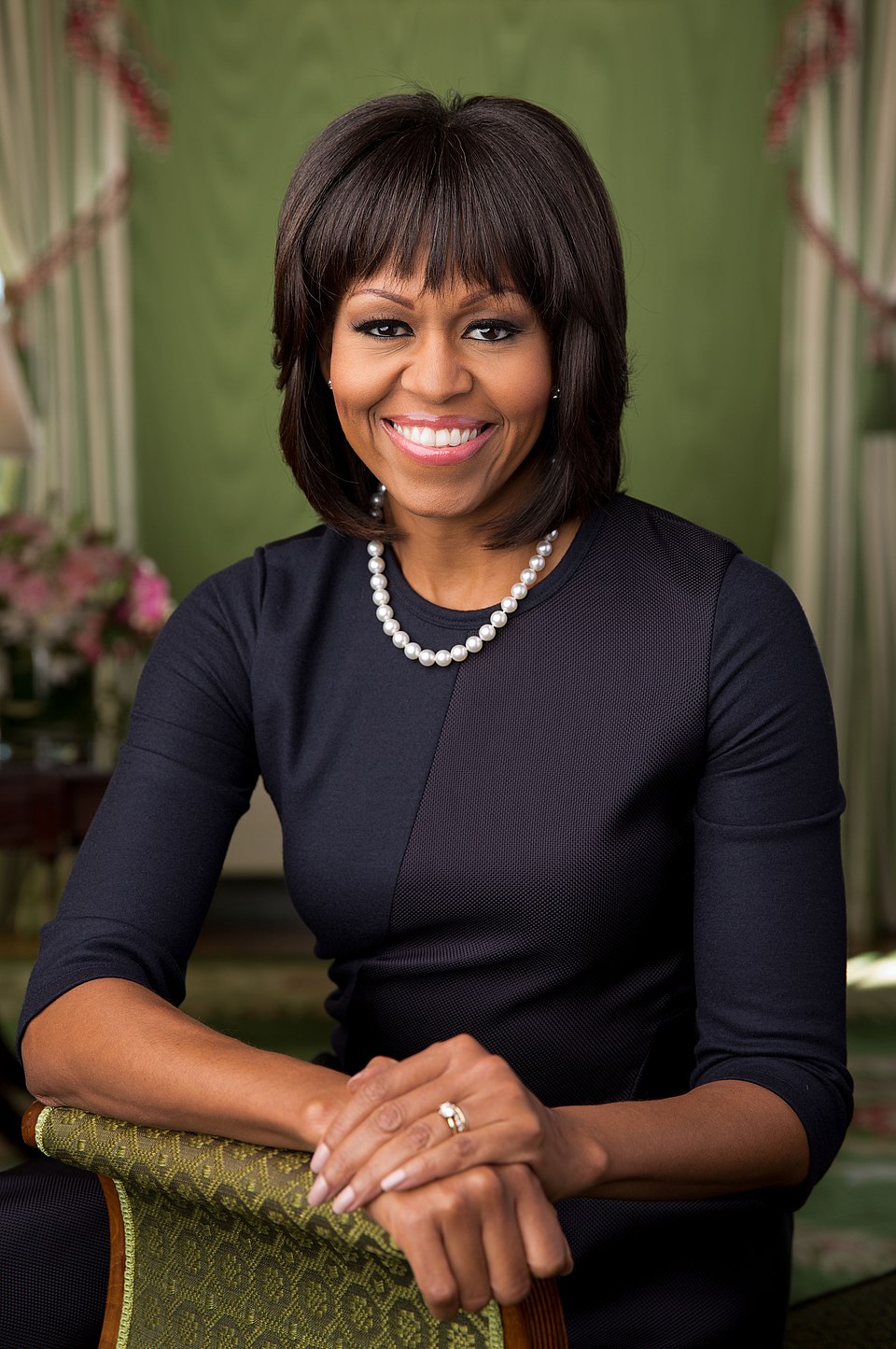
Her hard work and aspirations for a healthier world benefited so many through her efforts. Obama stated in a conversation at the African First Ladies Summit that “being able to pursue our passions and do things that not only help our country and connect us with the rest of the world, [is] a great privilege.”
Representing inspiration, grace, and modern empowerment, mentors like Obama don’t stick to the status quo. They push beyond the stereotypical barriers built by society and become a face for women’s empowerment.
Obama says, “Do we settle for the world as it is, or do we work for the world as it should be?” in her 2018 memoir “Becoming” attributing the quote to her husband, President Barack Obama, a phrase he used to motivate himself.
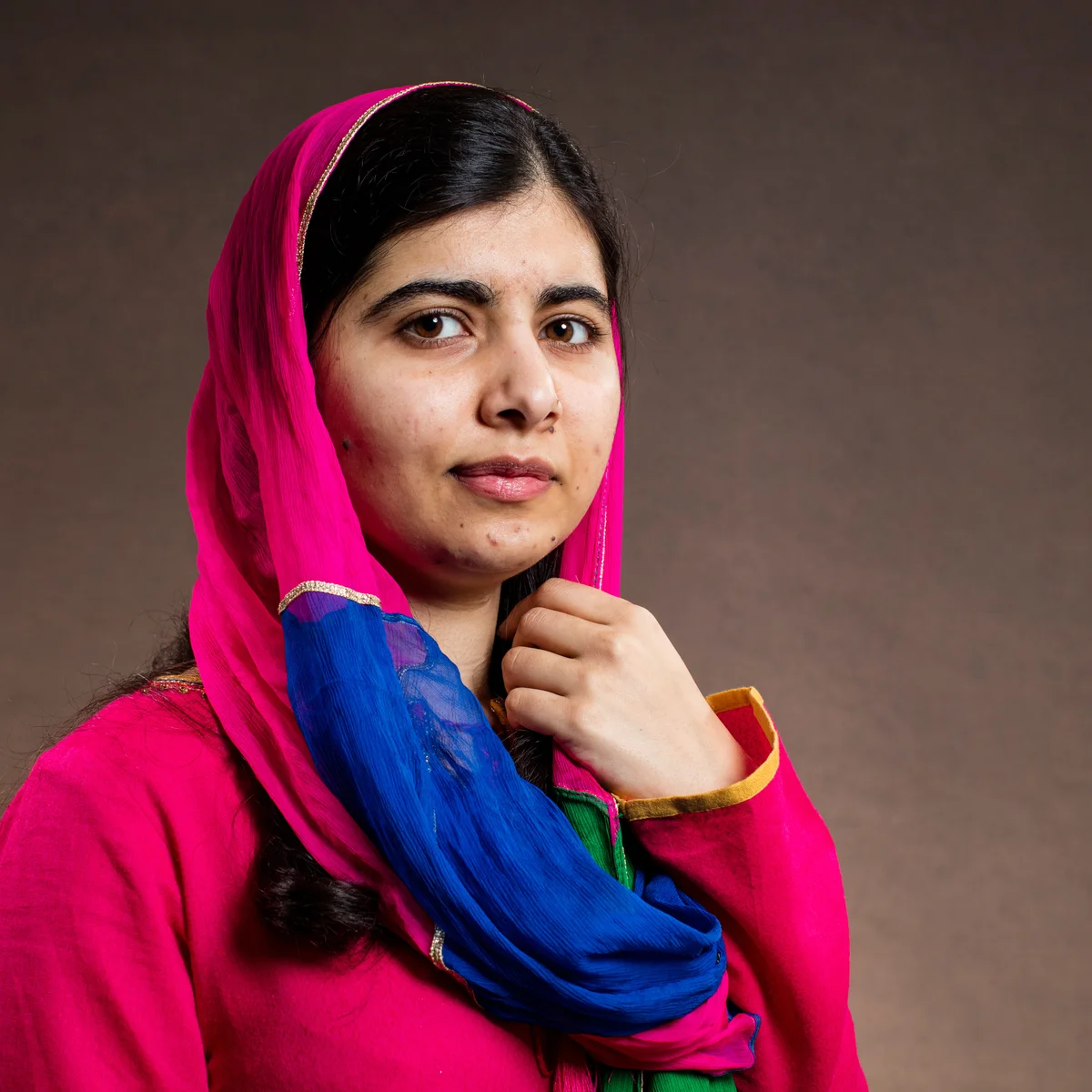
Malala Yousafzai is another amazing figure of global change for women’s rights through education as she is a Pakistani activist for female education and the youngest-ever Nobel Prize Laureate, receiving a Peace Prize just at the age of 17.
Yousafzai was born on July 12, 1997, and grew up in the Swat Valley of Pakistan. In 2007, the Taliban took control and banned girls from education in schools. Yousafzai would not stand for this as she valued education and was raised by a father who ran a girls’ school where Yousafzai excelled.
Yousafzai expressed the ban on girls’ education as a violation of human rights stating, “We realized the importance of pens and books when we saw the guns,” describing them as “our most powerful weapons,” during her speech at the United Nations Youth Assembly in 2013.
Yousafzai refused to be silenced, pursuing the point that pens and books are more powerful than guns as education creates lasting change, while violence only creates destruction and fear.
In 2012, Yousafzai was shot by the Pakistani Taliban for advocating for girls’ education. The gunman’s actions failed when shooting her in the neck and head while she was riding a bus. The gunman’s actions failed when shooting her in the neck and head while she was riding a bus. Yousafzai survived the assassination attempt and she was resilient in her fight, pushing her to continue her campaign despite the trauma and hardships she has endured as a young female activist modeling bravery and strength.
Yousafzai said to NewsHour’s Chief Foreign Correspondent, Margaret Warner, in an interview that she is “living a second life”. “And God has given me this new life for the cause of education.”
“I think that I must not be afraid of death. First, I might have been before this attack, but now even if they threaten[en] me, I’m not afraid…I have seen death already. So now I’m more powerful. Now I’m more courageous. And I will continue my campaign.” Said Yousafzai.
In the continuation of her activism for girls’ education, Yousafzai co-founded the Malala Fund, an international non-profit organization dedicated to ensuring every girl has access to 12 years of free, safe, and quality education, and published her memoir, I Am Malala, documenting her life and her advocacy for girls’ education.
Much like Malala Yousafzai, Greta Thunberg was a young aspirational activist who addressed a global problem, standing up for what she believed in and confidently expressing her opinions for change.
Greta Thunberg was born on Jan. 3, 2003, and grew up in Stockholm, Sweden. Thunberg is a renowned Swedish activist for environmental issues gaining recognition internationally for initiating the “Fridays for Future” movement in 2018 just at the age of 15.
Thunberg began skipping school to sit outside the Swedish parliament with a sign reading “Skolstrejk för klimatet” meaning “School Strike for the Climate.” Her stance was recognized through public awareness and pushing for stronger climate policies, that of a teenager with her confidence and pushing direct criticism of leaders at events like the United Climate Action Summit, surprised many authorities globally.
Thunberg’s Fridays for Future movement, the youth-led international climate strike movement, emphasized immediate action and raising concern for the lack of environmental crisis awareness and the encouragement of climate change to limit global warming and demand emissions reductions.
During a school strike event in Hamburg, Germany, Thurnberg stated, “We are striking because we have done our homework, and they have not,” implying that policy leaders have ignored scientific evidence and delayed meaningful climate policies, as their “intentions” fail to act.
Thunberg’s push on skipping school symbolizes the immaturity of adults, as they are failing their responsibilities to the environment, arguing that young people understand the climate crisis and the leaders are not acting upon what the science shows.
Thunberg mocked leaders at the Youth4Climate summit in Milan, Italy where she said, “Blah Blah Blah…This is all we hear from our so-called leaders, words.”
“For way too long, the politicians and the people in power have gotten away with not doing anything to fight the climate crisis, but we will make sure that they will not get away with it any longer.” Said Thunberg.
Thunberg’s inspirational actions motivated millions of young people globally to advocate for climate change to the forefront of political agendas. Her influence popularized the term, the “Greta Effect” and her activism and confidence highlighted public awareness, environmental changes, and hope for the next generations.
Malala Yousafzai and Greta Thunberg are brave activists who support the statement that it is never too early to create a change, a movement. As they addressed global issues and encouraged motion to keep up with modern development, they built platforms for women to stand on and be honored all before the age of 18.
Their young and big dreams drive for raising voices across the globe, to never lose the pattern of women’s leadership and mentorship.
Michelle Obama proves that wealth is not a foundation for honor. Growing up in a small rented apartment with limited material resources did not stop her from one day living in the White House as she had the loving support from her family to instill a strong sense of self-worth, not letting the past define your future, building upon the hardship and struggles create the firmest and highest towers to lead from.
Not every powerful woman needs a speech, to be seen on TV, or even make a global change. Women, like the ones on campus, can have the greatest impacts and strengths.
Teachers, staff, and administrators here at McNeil are some of the greatest mentors a student can ask for. They affect us in our daily lives as they are teaching and constructing future leaders. Michelle Obama, Malala Yousafzai, and Greta Thunberg were all taught and led by someone they admired, which pushed them to be greater than what they believed.
As Women’s History Month is here, honoring and having gratitude for all the diligent and astonishing women around campus is the least we can do. Women at McNeil shape students in the classroom like Thulasi Williams, Taylor Adams, and Stephanie Franco.
Thulasi Williams is a counselor on campus and celebrates Women’s History Month with great meaning and personal connection.
“As a Sri Lankan, Women’s History Month reminds me of the strength and resilience of Sri Lankan women throughout our history, from ancient queens to present-day leaders.” Said Williams. “It is a time to reflect on the progress made and the challenges that remain for gender equality in our society. Personally, it inspires pride and motivates me to honor and uplift the voices of Sri Lankan women in every sphere.”
Honor and recognizing women’s accomplishments and great success throughout March draws attention to the role models in our life like mothers and teachers reflecting on their footprint.
“Learning about women’s contributions ensures a more complete and accurate understanding,” said Williams. “It empowers girls to dream bigger and reminds boys to value the achievements of women around them. This shared knowledge fosters respect and collaboration among all students.”
There are so many women in history who do great things without being acknowledged or famously known for. Doing an action out of pure goodness, not anticipating a reward, is strong because it fosters genuine character and removes dependence on external validation.
“I believe women like Dr. Vajira Chitrasena, who revolutionized Sri Lankan dance, deserve more recognition for their cultural contributions.” Said Williams. “There are also unsung heroines in rural communities who have led social change quietly yet powerfully. Their stories should be highlighted alongside more famous figures.”
AP U.S. history teacher, Taylor Adams, values and celebrates the special month as well as lesser-known women in history who she believes deserve more recognition.
“Women’s History Month means an elevation of women who have gone unnoticed and underappreciated for some of the most important contributions to the world.” Said Adams. “It is an opportunity to remind everyone how important and incredible women are and how much we are still underrepresented.”
Anyone can be a role model for anybody. Characteristics and qualities a person withholds inspire and embody integrity to foster a supportive and positive environment.
“So many of these women not only had to fight to be able to achieve what they did, but they also had to fight to prove that they deserve to be “in the room” so to speak.” Said Adams. “Women always have so much grace in the face of adversity. I’m also inspired by women who are just unapologetically themselves.”
Anybody at any age can make a difference and impact. Just like Greta Thunberg, you can start a movement just in school, and with effort, it can expand far beyond the campus. High schoolers can hold the qualities of a strong leader through initiative, problem-solving, and the willingness to make mistakes in order to grow as a person and influence others.

“[Students seeing women in leadership roles on campus] goes back to the whole idea of representation matters!” Said Adams. “It is so important for people to look around and see that everyone is capable of anything and deserving of our respect. There is no such thing as a job that is only for one type of person.”
Science teacher Stephanie Franco is a mentor and role model for pursuing a career in a typical male dominated field.
“In higher education and the science field, it was common for a woman to be the minority in a room.” Said Franco. “As I entered this field, I did not see this divide and felt equity. I believe this is all thanks to those who paved the way for women, particularly in science.”
Historic women scientists and doctors paved the way for equality by breaking down educational barriers and enforcing policy changes allowing powerful women like Franco to pursue a career in the science field acting as a role model for young girls, establishing opportunities for women in medicine, STEM, and research.
“Women’s History Month is a time for us to recognize all the women in history who overcame barriers of inequality, to achieve and support success across many areas.” Said Franco.
“History connects past struggles to present challenges and learning about women’s historical contributions can educate and inspire everyone to overcome their unique challenges.” Said Franco.
Women’s History Month isn’t just a month. It is a reflection of where we started, where we are, and where we are headed. Women are a movement, moving past stereotypes and titles, encouraging growth among all generations.
“I firmly believe that recognizing how far women have come is how we can honor remarkable women from the past,” Franco said. “Recognizing how far we have to go to help all women feel valued, supported, and recognized is how we can honor the future of women. After all, every person has a woman in their life that deserves this.”
In the celebration of women’s history month, and the work in which these activists and many other unsung lobbyists have achieved in advocating for women’s rights, it is important to remember that there is still work to be done to achieve a more equitable world.
“Remember that your voice matters, no matter your background or gender. As Sri Lankans, we inherit a rich legacy of women who have led, innovated, and transformed society—often in the face of adversity. Take inspiration from their journeys, but also recognize that history is still being written, and you are part of it. Stand up for equality, support one another, and never doubt the power you have to create change, whether in your community or on a global scale. Believe in your dreams, challenge injustice, and strive to be leaders who uplift others. The future of Sri Lanka and the world depends on your courage, compassion, and commitment.” Said Williams.
“This quote from Dr. Martin Luther King Jr. sums up how I feel about what students should take away from Women’s History Month: “‘We are not the makers of history. We are made by history.’ The contributions of women are all around us. We can never forget that everything we have is because of those who came before us, who refused to accept less than they deserved. We have a duty to carry on the legacy of all the women forgotten by history.” Said Adams.
The idea of women being a movement is rooted in the women who historically banded together to challenge gender norms, fight for equality in society, and lead a social change. Activists create and lead powerful impacts benefiting society, and teachers can make the same impact on students’ lives personally. In both the past and present, women have defined struggles not as individuals, but as societal, as women band together daring and changing the structures that have historically oppressed us.