
Why is Texas so susceptible to droughts and wildfires?
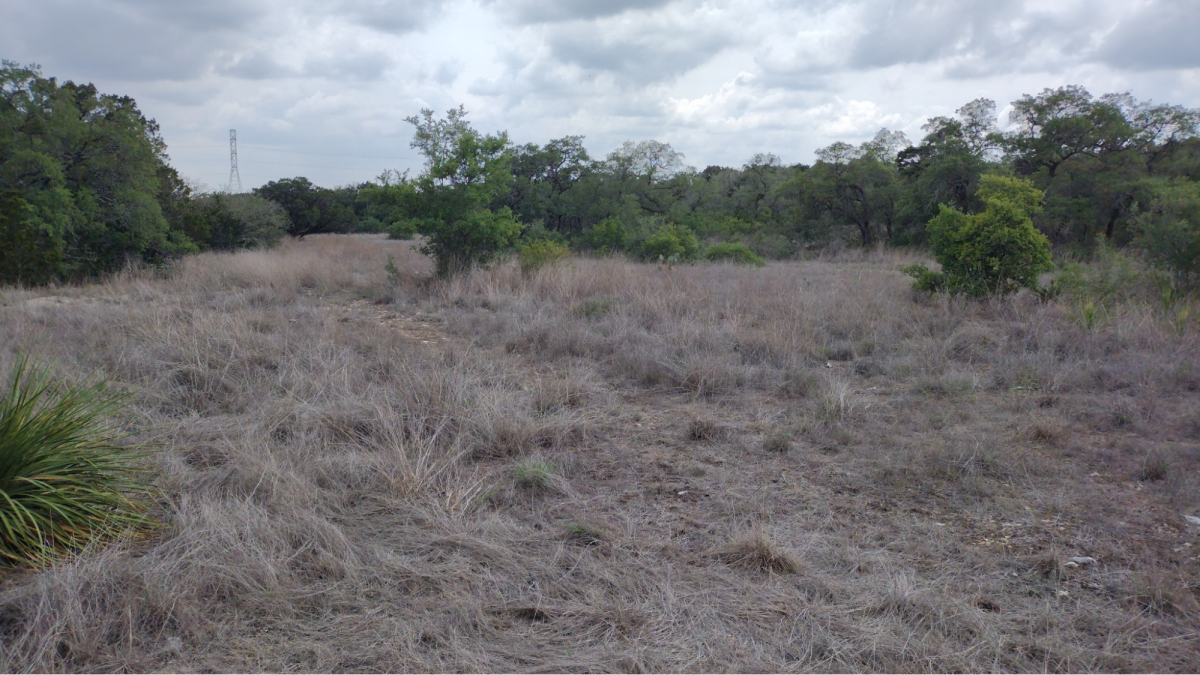
- Being an extremely dry, arid and hot climate, Texas is especially vulnerable to wildfires. Its dry vegetation, as well as factors like human impact and climate change also affects its susceptibility to fires.
What is happening now?
- Texas is increasingly experiencing more extreme weather as in hotter temperatures and longer dry spells.
- This means vegetation dries out and fire spreads faster.
- On top of this, climate scientists say that Texas is now experiencing more frequent “flash droughts”, where conditions are worsening not in months, but in mere weeks.
- Texas is in a “Year-Round Fire Season” says fire officials. There is constant danger of fires, even in the winter as cold fronts bring strong winds.
Who is affected by this?
Story continues below advertisement
- Rural areas and communities rely on volunteer fire departments, which are typically understaffed and underfunded.
- The large distances between homes and fire stations gives fires more time to grow.
- Smoke impacts everyday life for everyday people: smoke from wildfires can cause poor air quality, reduced visibility on roads, health issues (especially for those with asthma).
How are you involved?
- Human activity is the #1 cause of Texas wildfires
- Often not intentional but some common ways to start wildfires to be aware of include:
- Outdoor burning, even small fires from things like brush piles, trash, fire pits, can escape.
- Vehicles are a major source of fires starting: hot exhaust pipes can ignite dry grass, blown tires can create sparks, chains dragging from trailers can cause fires along highways.
- Cigarettes left unattended, fireworks (holiday gatherings are peak wildfire days for many Texas counties), power lines, electrical equipment
- Arson is an important cause to note, but not a major contributor to these fires
How to help:
- Follow burn bans: if your county is under a burn ban, stay cautious, checking takes a few seconds
- Be smart with fire usage, especially when outdoors, as fires can spread rapidly from one spark
- When droughts are severe, avoid fireworks, sparks producing outdoor tools and grills/smokers and use water responsibly.
- Make sure your home is safe, clean leaves out of your gutters, keep grass short, store firewood away from walls, remove any dead branches/plant matter from near the house.
- Support local fire departments, especially those that are volunteer run as those are often what rural communities depend on: donate needed supplies and snacks, share their announcements, thank them for morale.
- Spread awareness about these issues
With the extremely dry vegetation of Texas, a tiny spark can lead to massive fires in a matter of seconds. Staying informed and active can help prevent these fires from further affecting the Texas landscape and the health of its citizens.