
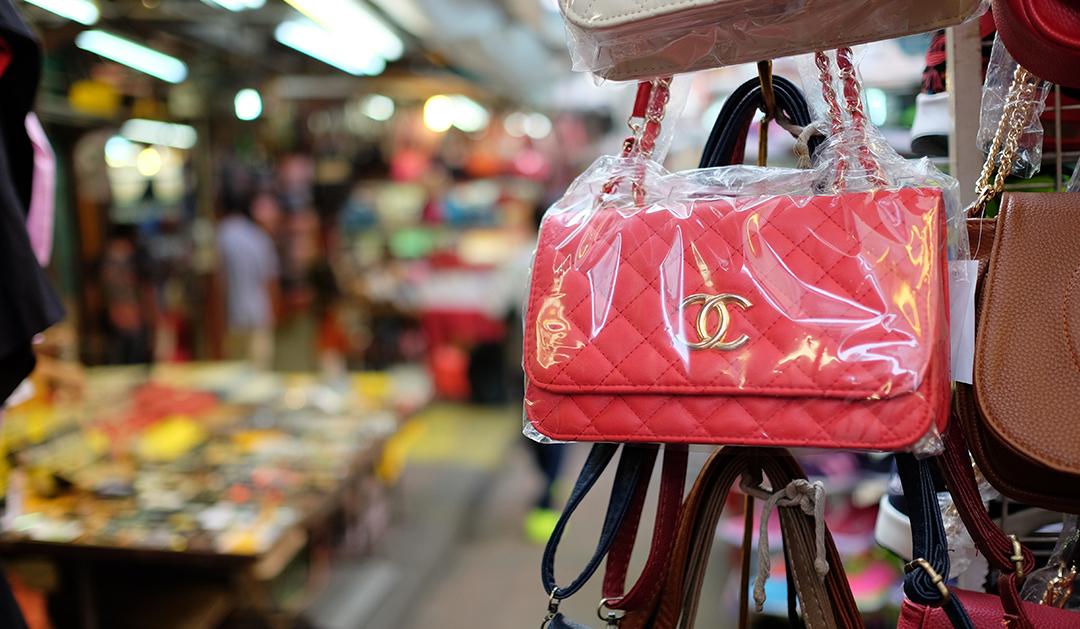
The growing disparity of wealth in the US has resulted in a generation that seeks personal fulfillment through representative wealth rather than true wealth.
Post World War II, came the golden age and with it, the rise of a powerful middle class in the United States. For the first time, people were no longer simply struggling to survive, they now had expendable income to spend on non-essentials. This meant shopping was not simply an errand to be accomplished, but an experience to be enjoyed. Department stores grew to fulfill societal expectations surrounding material goods and the American identity was no longer tied primarily to where one worked, but also to the material goods one acquired. In short, the world’s most powerful consumer economy was born.
This was the perfect storm for the concept of luxury brands to really take flight. From the 1830s to the early 1900s, brands such as Louis Vuitton, Cartier, Hermes, and Chanel started building names for themselves as high quality products with excellent craftsmanship and durability, but only a select few could actually afford this level of bespoke craftsmanship. However, with the growth in industrialization and the advent of a now prosperous middle class, post World War II was the ideal time for these brands to become worldwide names – recognized and desired for their quality and the status associated with them.
Suddenly, frivolous spending was no longer exclusive to nobles and aristocrats, the middle class now had truly impressive purchasing power and consumerism became a pastime. Other luxury brands like Dior, Gucci, Rolex, Cadillac, Tiffanys and Mercedes-Benz enjoyed this surge in the market and the new opportunities for revenue.
Over the last few decades, however, things have changed and we have experienced a shift in the distribution of wealth. The US is still the world’s most powerful economy but the middle class does not hold the power it once did. In the 1950s, new income and wealth was spread much more broadly amongst the population. The bottom 90% of people received about 60% of new wealth from economic growth and the top 1% received about 10%. Nowadays, the top 10% receives 70% of new wealth whilst the bottom 50% receives only 2-3%. And the top 1% receives a staggering 30-35% of new wealth. In addition, the cost of living has grown disproportionately to wage increases. In the 1970s, an adult could work a minimum wage job and it was a living wage. They could afford to save up a down payment, qualify for a mortgage, and buy a home. While they were not affluent, the ‘American Dream’ was still achievable for the majority of people. Nowadays this is but a pipe dream for someone earning minimum wage and in many cases, difficult for even the middle class.
This has led to a disillusioned younger generation that no longer believes in the American dream. The concept of purchasing a home and having that ‘nuclear family’, a dream that was once promised to them, not only seems difficult but virtually unattainable. This holds a striking synonymity with the gilded age, a time when wealthy industrialists also controlled a large majority of the nation’s wealth, often holding more power than presidents. The scariest part of this resemblance is remembering the previously horrible conditions the lower class survived. If we are now living in a time where the 1% hold the majority of wealth, and where the disparity of wealth is in fact greater than ever before, why do people not feel this disparity as heavily as they once did?
Well, the marketing of status has become more strategic. Large financial institutions have started encouraging the narrative that younger generations don’t actually want to purchase a home and be “tied down” in this manner and would rather live a “renter’s lifestyle”, free to move whenever they wish. Social media and influencers have also contributed to this shift, targeting younger generations with representative wealth. People now live in an age in which they constantly compare themselves with the lifestyles of online stars and celebrities.
What’s interesting is although people can no longer afford the major purchases once associated with true success, the psychological need for representation of status has not gone away. Luxury brands have recognized this opportunity and now produce lower quality products and in some cases, whole lines of products made specifically for accessibility to people who have less income, allowing those people to wear the brand. We can see this in brands such as Kate Spade, DKNY, Armani Exchange or Michael Kors that will have top of the line quality clothing that they sell in their personal stores and lower quality clothing that they sell to stores like Marshalls. These secondary lines, called diffusion lines, cater to lower classes. These lines don’t sell for quality, they sell for recognition of the brand, showcasing how buying these brands no longer represent luxury but status.
We can see that this marketing strategy has been very effective as an incredible 75% of consumers for luxury brands are of the middle class. This obsession with demonstrating wealth has led brands to push the boundaries of how low their product quality can go while still attracting consumers to buy them. Brands like Chanel selling a $4,000 tote bag made from ‘PVC materials, aka plastic, is a great example of this. Another example is the extremely popular brand, Golden Goose, that sells sneakers for over $600, despite being consistently criticized for the poor durability and craftsmanship. Brands have realized that making a higher quality product does not equal more sales and that the surge in lower quality “representative” luxury results in much higher profit margins.
The reality is the American dream has changed: as people come to terms with the concept that their future is hindered by high debt, economic instability, housing affordability concerns and more, they turn to personal fulfillment as a way to convince themselves that they are doing better than they actually are. This means that people view the American dream less as a way to accumulate wealth but more as a way to further enrich themselves, often through consumer focused pursuit. This ultimately leaves us with a generation that can no longer afford the American Dream but who will indebt themselves to buy a $600 pair of sneakers to show off and pretend things are better than they are.