Before most students hit snooze on their alarms, the barn lights are already glowing. By 7:30 a.m., pigs are being fed, steers are brushed down, and lambs are walked in quiet circles before the school day begins. For members of the National FFA Organization, livestock projects are not occasional commitments but daily responsibilities. And from the beginning, students understand that many of the animals they raise will eventually be sold for food.
The school’s agriculture program allows students to raise steer, sheep, goats and pigs over the course of several months, sometimes nearly a full year. Each project requires twice-daily care, including weekends and holidays, with students responsible for feeding, watering, grooming and exercising their animals. While the work is physical and time-consuming, it is also deeply personal, as students build bonds with animals they know they may eventually have to let go. Teachers emphasize transparency about the agricultural process so that students are never surprised by the outcome. Through that honesty, the program aims to teach leadership, compassion and an understanding of where food truly comes from.
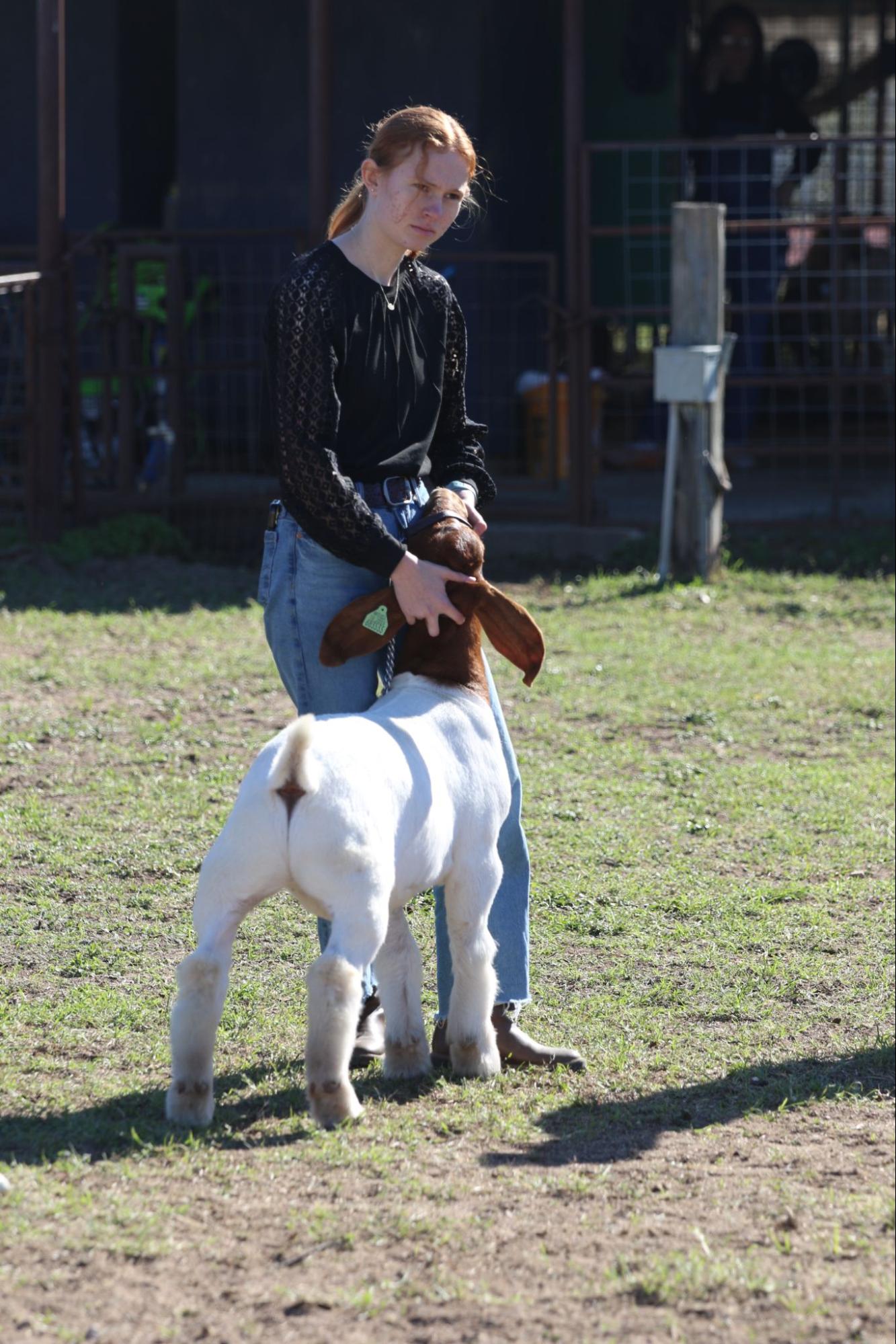
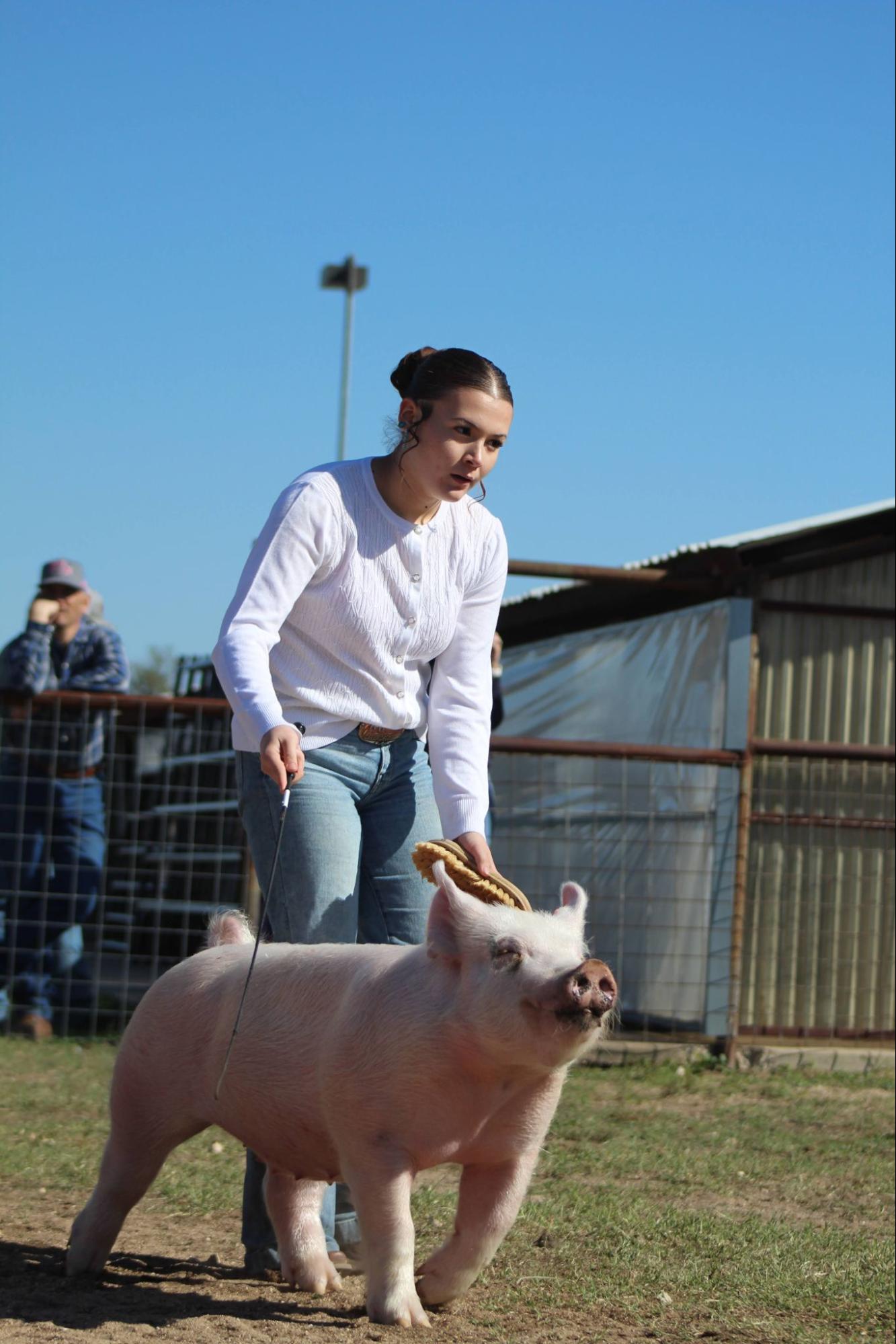
“We are up front with the students from the beginning about the purpose of the project so there are no surprises in the end,” agriculture teacher Meagan Crandall said. “They understand they are contributing to production agriculture and playing a small role in feeding others.”
That clarity shapes the entire experience. Students do not enter the program thinking of their animals as temporary pets, but as livestock raised with intention and care. From the first day at the barn, they are taught that responsibility includes both daily dedication and emotional maturity.
“As teachers we monitor the barn, but it is the students responsibility to treat the animal ethically,” Crandall said. “The state of Texas has them sign an ethics policy in order to show each year, and they have to go through training in order to show. Show animals are treated better than most peoples’ pets at home: daily baths, expensive foods, treadmills for exercise, the pigs even have a tanning bed.”
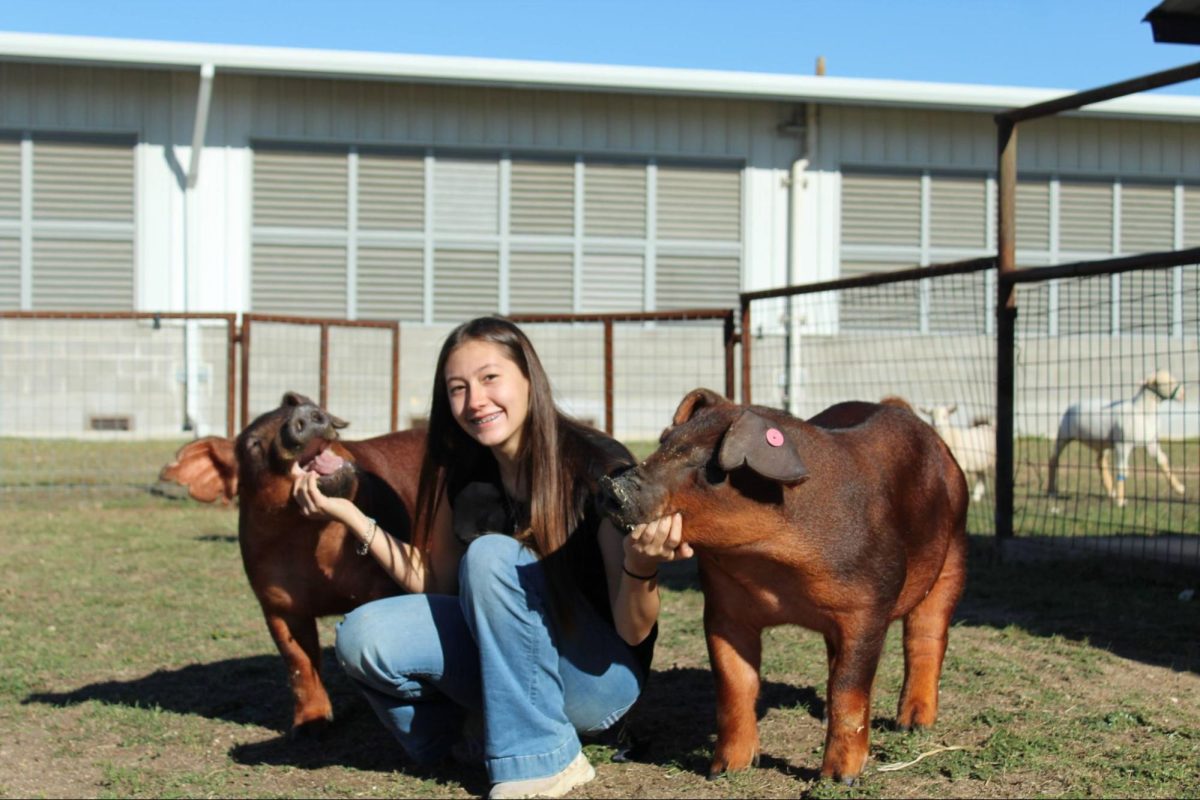
Senior Kaylie Escobar has lived that reality for three years while raising show pigs. Her mornings begin before class, cleaning pens and filling feed buckets, and her afternoons are spent walking, washing and working with her animals for hours at a time.
“Every morning and afternoon I have to go feed and take care of the pigs,” Escobar said. “On school days I normally just feed and clean their pens in the morning. In the afternoon I do a lot more to feed them, clean their pens and walk them. Sometimes they get baths.”
The repetition of those tasks builds more than discipline. Over time, the small routines create familiarity and trust between student and animal. What starts as a project slowly becomes a relationship built through consistency.
“You get these pigs when they are tiny little babies,” Escobar said. “During the time you have them you build a very strong bond with them.”
Escobar has named all eight pigs she has raised: Mille, Molly, Dixie, Junebug, Durp, Lucy, Tucker and Milla. Naming them, she said, is a sign of respect and acknowledgment of the time spent together. Even so, she keeps the larger purpose in perspective.
“Knowing we’re raising these animals just for them to go to market can be sad,” Escobar said. “It is hard to let them go sometimes but I always remember that I’m raising them to feed my family or someone else’s family.”
Freshman Autumn Cykala, who raises a steer, a castrated male cattle named Rosco, said the daily commitment quickly becomes part of her routine. She arrives at the barn around 8 a.m. to feed, clean and refill water buckets, then returns after school to walk and practice showmanship. The long days require balancing homework, social life and livestock care.
“The way you act [around] your animal will feed off how you act,” Cykala said. “So always try to stay calm.”
Through her first year, Cykala has learned that effort directly impacts results. If she skips walks or neglects training, her steer does not improve. The connection between responsibility and outcome is immediate and visible.
“Yes I will miss him,” Cykala said. “But this is the whole purpose of my animal.”
For sophomore Tripp Parker, raising livestock has reshaped his understanding of patience. The hours spent walking pigs and preparing for shows demand focus and consistency. There are no shortcuts in the barn.
“Through my two years,” Parker said. “Of raising livestock I have learned to be patient, optimistic, and to stay dedicated because of all the hard work and hours that go into raising these animals.”
Junior Sophia Dos Santos Sousa, who raises both a lamb and a goat, said patience extends beyond training. Animals, she explained, rely entirely on their handlers to guide them through unfamiliar environments. That trust requires calm leadership.
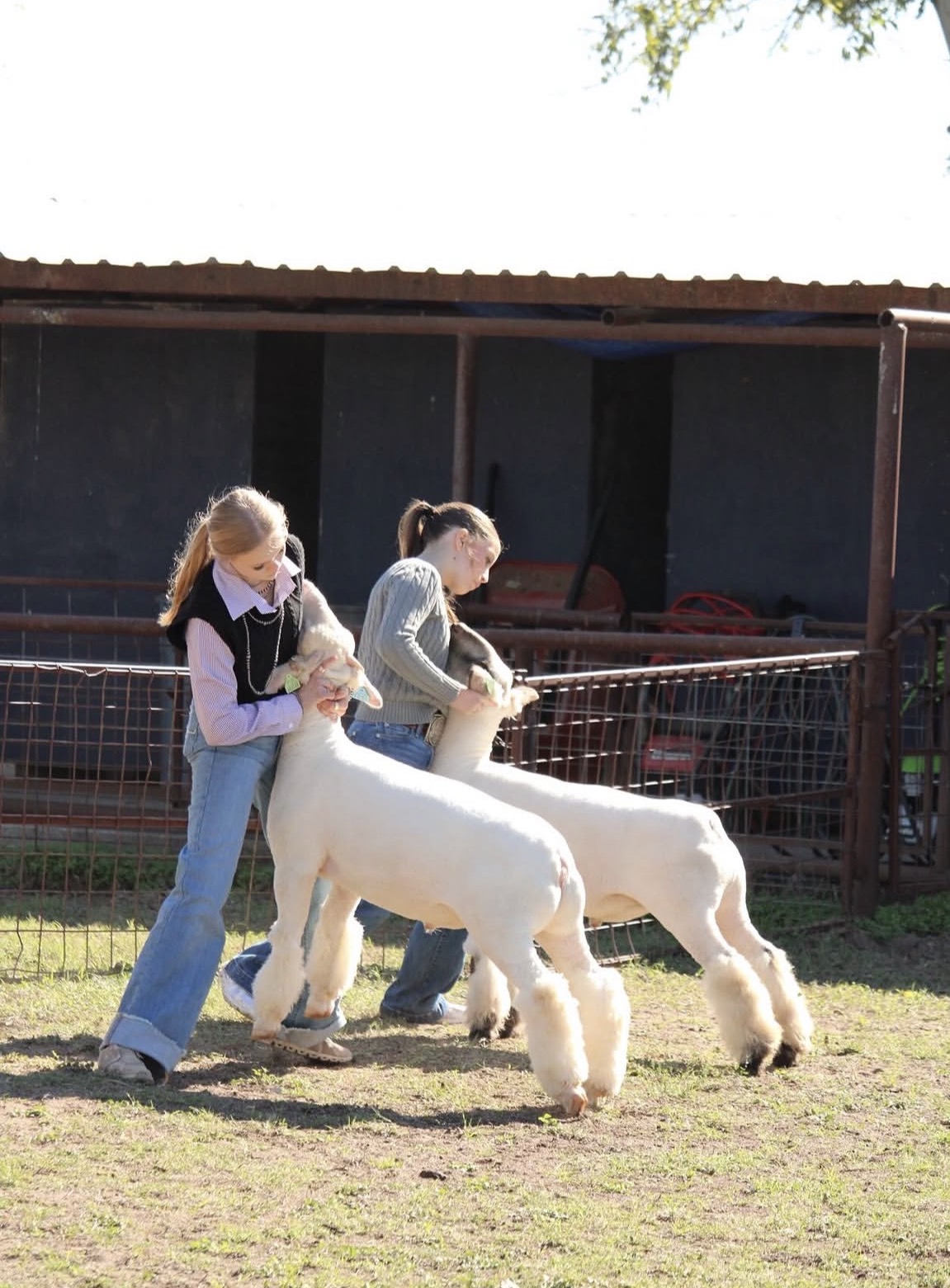
“These animals have no idea what they are getting into,” Sousa said. “Working with them to get them where we need to takes a lot of time and patience.”
As show season ends, emotions surface. Students admit that loading animals onto trailers for the last time can be difficult. However, they say knowing the purpose from the beginning helps them process the goodbye.
“It gets sad sometimes when I remember I can keep my animals forever,” Sousa said. “And saying goodbye is really hard. I remember that it’s for a good cause and that I am providing someone with food on their table, so it makes me feel better about it.”
Outside the barn, reactions from peers vary. Some students are supportive and curious, while others question how someone could raise and then eat an animal they cared for. Those conversations, students say, can be harder than the physical work.
“When people find out that I raise pigs a lot of the time they get excited,” Escobar said. “When they find out we sometimes eat our pigs they go into shock and normally say, ‘How can you eat something you raised and named!’ But most of the time I just laugh and say ‘They’re not pets, they’re livestock raised for meat. They’re the most spoiled livestock animals you will ever see. They live a good little life.’ I’m very grateful that I got the opportunity to raise and show so many pigs. It will always be my favorite thing from high school.”
Senior Haley Goebel believes many misconceptions come from limited exposure to agriculture. She has experienced both judgment and encouragement throughout her four years in the program. She says open conversation makes the biggest difference.
“If people aren’t getting the entire story, it can be difficult for them to have any opinion and misunderstanding is the quickest way to grow judgment,” Goebel said. “I think that it is really important to explain things as thoroughly as possible because if people aren’t getting the entire story, it can be difficult for them to have any opinion.”
Crandall said teaching compassion is central to the program. Students learn about humane treatment, food safety and the science behind livestock production in addition to hands-on care. According to her, compassion means ensuring quality of life from beginning to end.
“We don’t give these animals a good life in spite of where they are going,” Crandall said. “We give them a good life because of where they are going. They deserve our best effort because they are going to sustain others.”
For many students, the experience permanently changes how they see the food on their plate. They know what their animals were fed, how they were exercised and how much work went into raising them. That knowledge builds respect for both the livestock and the agricultural industry. And for Parker, the lesson extends beyond ribbons or auctions.
“We don’t raise animals,” Parker said. “The animals raise us to be better human beings.”