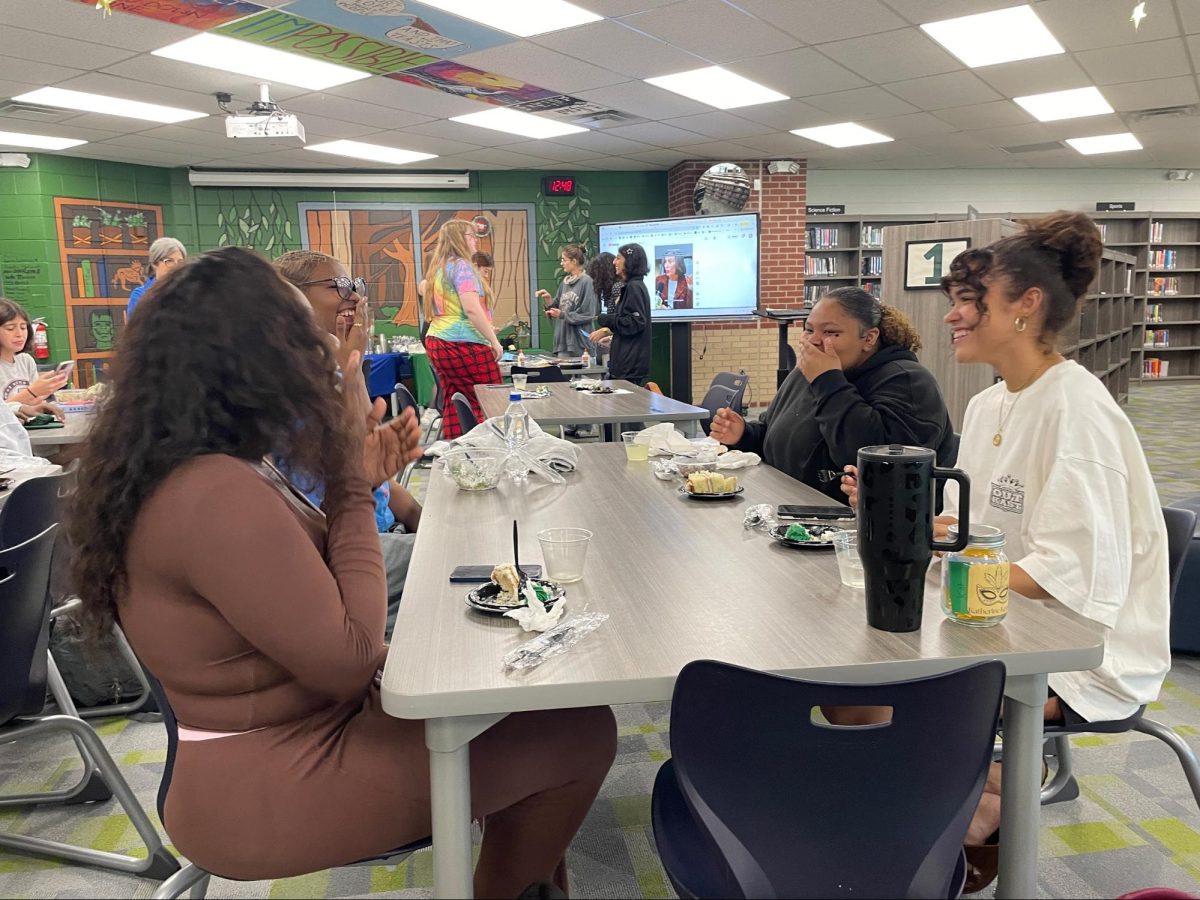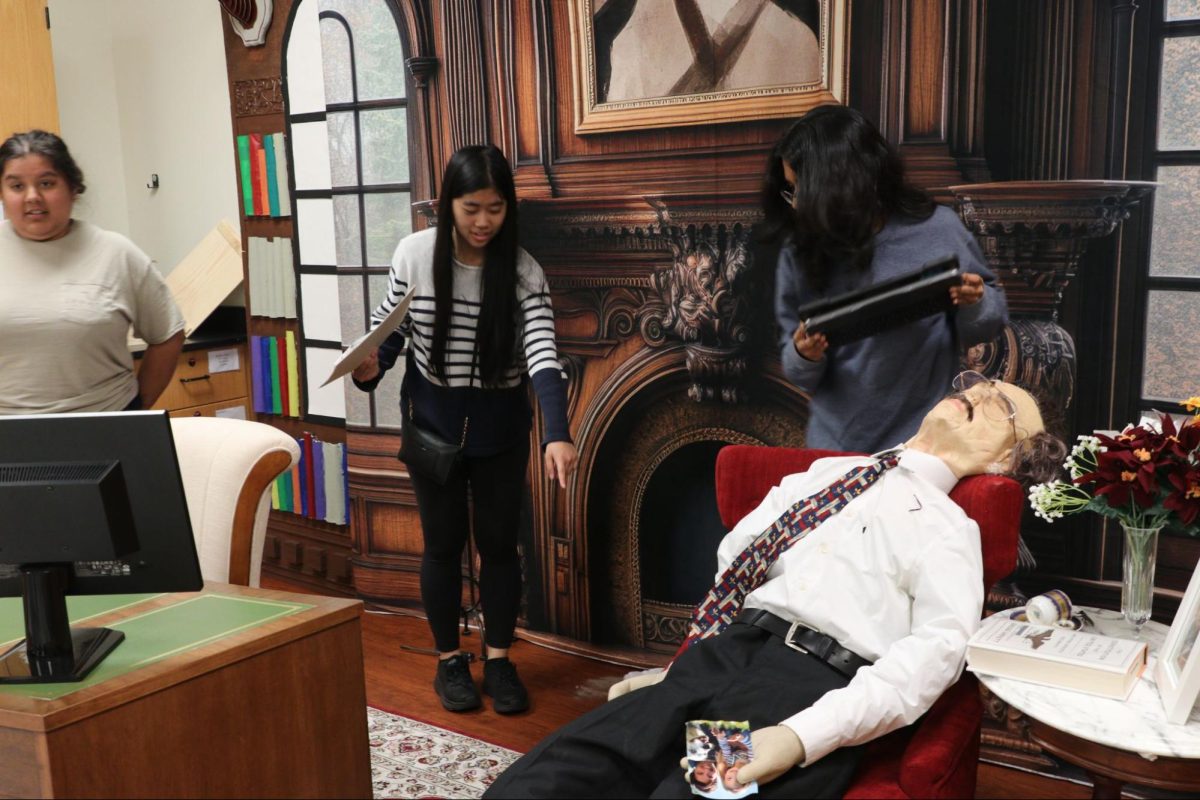

Students are learning about their freedom to read as the school library hosts Banned Books Week, a national event that brings awareness to censorship and First Amendment rights.
The week, created by the American Library Association, highlights books that have been banned or challenged in other districts. While Round Rock ISD does not have any banned books, the district occasionally receives book challenges and follows a set policy to handle complaints without restricting access.
“[Our] Libraries participate as a way of reminding students of their first amendment rights where it concerns the books they have access to in libraries,” Librarian Amelia Lewis said. “It’s important to make sure people are aware of what access they have to information, or rather what type of information may be withheld from them.”
Classes are scheduled throughout the week for presentations about why certain books are challenged or banned, along with discussions about the First Amendment. The library display includes classic and children’s books that have been banned in other districts, such as The Lorax, The Giving Tree, Brown Bear, Brown Bear, 1984, and Fahrenheit 451.
“Banned Books Week is a week in which we talk about the banned books and reasons why we agree or disagree,” junior Fatimah Al-Rubaye said. “Our library participates because it cares about this.”
Students are participating in activities and debates, sharing their opinions on censorship and reading rights. Many said they believe people should have the freedom to choose what they read.
“I think it shows us that not everything censored is to be censored for everyone,” Al-Rubaye said. “And if you disagree with a book then just don’t read it. Some books are challenged because not everyone agrees that this book is appropriate for many reasons like religion or that it’s not what they allow their kids to read.”
Lewis said she hopes the week’s events help students understand why access to information matters and why book bans can have lasting effects.
“It makes me sad that students who need information may not be able to have access to it,” Lewis said. “Every student deserves access to information that meets their needs, and removing books takes away opportunities to learn.”