
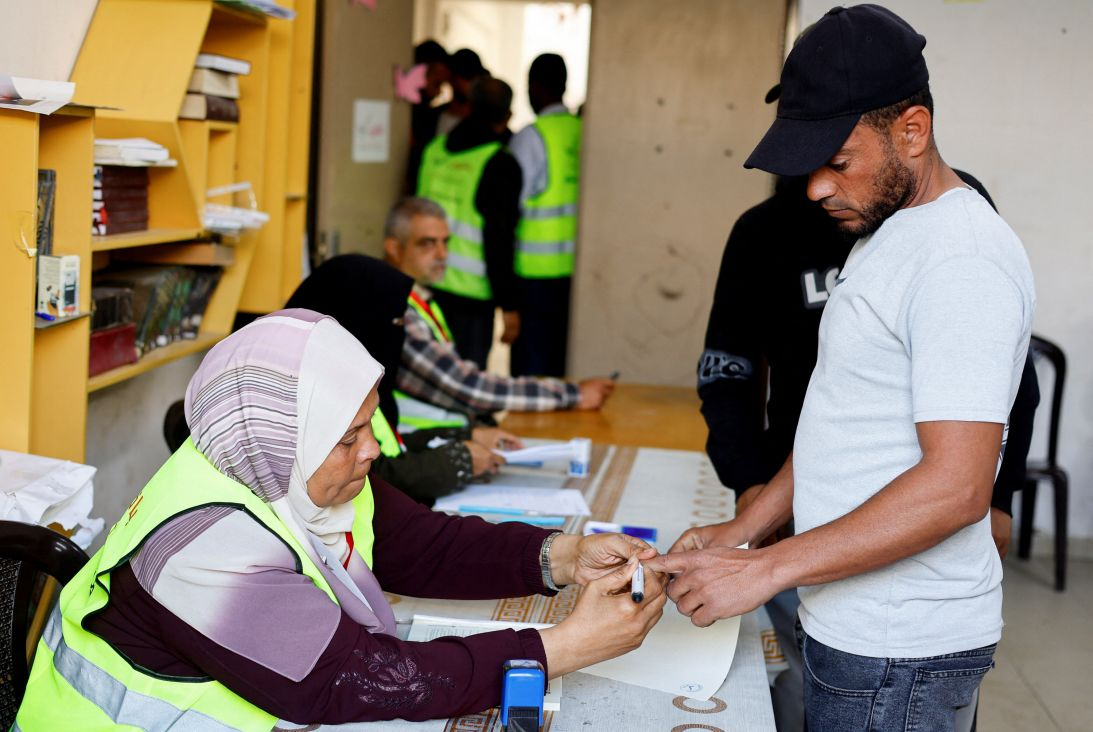
Since 2007, there has been an absence of elections in Gaza, despite the fact that under Palestinian Authority Basic Law, Palestinians reserve the right to vote for an elected president and legislative council. Throughout history, we have seen how a lack of democracy holds an intangible connection to war and corruption. When governmental power goes unregulated and is held only by a select few and not shared with its citizens, people are left at the mercy of power hungry leaders. These leaders almost always fall to their own selfish interests, having no concerns of protecting basic human rights and often overlooking suffering for the price of power. Totalitarian regimes such as Nazi Germany, the Soviet Union and Iraq under Saddam Hussein have left indelible marks in history that demonstrate the importance of democracy. Now, history repeats itself as we see an absence of democracy having devastating effects in Gaza while its citizens hope for a peaceful future.
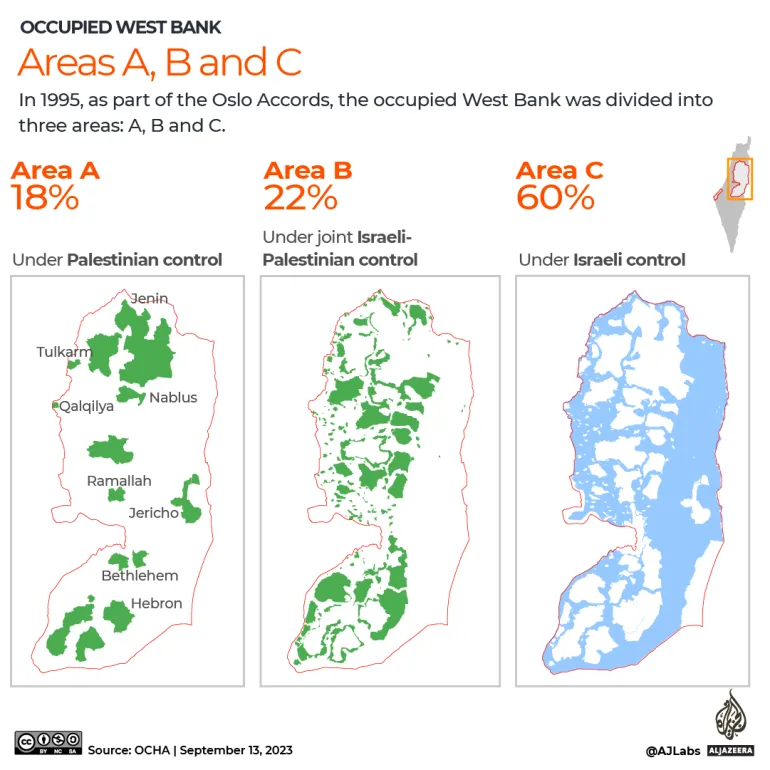
The occupied West Bank is currently split into three major areas; A, B and C, each controlled by Palestinian authority or Israeli control. Area A, which makes up 18% of the West Bank is completely under Palestinian control. Area B, which accounts for 22% of the West Bank, is administered by the Palestinian authority but shares security control with Israel. Finally Area C, making up 60% of the West Bank, is under full Israeli control.
The divided Palestinian lands are controlled by the two major political parties of Gaza, the Fatah and Hamas groups. Over the years, Fatah-Hamas tensions have overridden the political landscape of Gaza resulting in a fractured government.
The Fatah group, described as a secular political party, was originally founded in 1959. They are universally recognized as the more diplomatic party, favoring a two state solution and peace talks with Israel. Supported by the Palestinian Liberation Organization, they were violently expulsed from Gaza by the Hamas group in 2007. This was also the last time an election was held in Gaza, as Hamas has controlled the political landscape since their takeover.
Founded in 1987, the Hamas are an islamic resistance movement who aim to destroy Israel through force, making them a recognized terrorist organization by the US, UK, EU and others. Iran and other foreign states financially support them, funding their weapons and military force, which is often used to suppress any dissent in Gaza and parts of the West Bank. Their military wing, called the al-Qassam Brigades, also manages the economy by taxing goods, blocking entrance/exit points and implementing their deeply embedded social service network. As they increased their stranglehold over the Gaza strip, they have simultaneously limited the power of Fatah forces, further increasing tensions between the two groups.
Despite the reintroduction of local elections in 2026, these ongoing tensions have led to a tainted electoral landscape.
On April 25th, 2026 Gaza held local elections in Deir al-Balah for the first time in almost 20 years. This “pilot” event appeared to be a massive leap forward for Palestinian citizens. However, the success of the event, claimed by officials and some news publications, is not the reality. Over 80% of the infrastructure was devastated by the war, leading to many voters not having a place to vote, and major political forces such as the Fatah, Hamas and Israel heavily influenced the election and suppressed certain voters.
Israel took a multi-legged approach to influence the election. First, they effectively prevented voting in the city of Gaza and Khan Younis by setting up security restrictions that maintained strict control over these areas. This resulted in Deir al-Balah becoming the only city that actually had voting centers and thousands of citizens being disenfranchised and unable to vote. Israeli forces also created logistical difficulties often blocking the entry of election materials. Finally, Israeli forces imposed a campaign of “fear” on the public, threatening military action if “unacceptable” candidates won the election. Several voters in the Deir al-Balah area received direct messages from Israeli intelligence agencies to their phones. These messages threatened voters, reminding them that choosing local leadership would not change the control Israel had over the area.
The Fatah also exerted influence over the election. In Deir al-Balah, there is an immense number of Fatah supporters which explains why it was chosen by the Palestinian Authority/Fatah group as the pilot city. This meant other Gazans with dissenting opinions were not accurately represented in the election and that the results were drastically skewed. In addition, the Palestinian Authority failed to update its voter registration policies which does not allow voters outside of their home districts to vote in local elections. This is significant because over 2 million people have been displaced as a result of the war. Thus, hundreds of thousands of potential voters were not allowed to cast a ballot in the district in which they lived and operated because these were not technically their “home” districts.
The Hamas party was not legally allowed to participate in this election because of their inability to adhere to the government’s peace guidelines. Consequently, they had to take a different tactical approach to the elections by urging their followers to boycott the elections and reduce the overall turnout. This aligned with Israeli tactics to suppress voters in certain regions, reports suggest that there was pressure placed on local residents to not participate in the elections.
All of these tactics employed by the different political parties resulted in an election in which only 5% of the population was actually eligible to vote.
By tracing the history of the Gaza strip over the last nearly 20 years, one can see how the virtual elimination of a democratic state in 2007 has led to an incredibly corrupt system. Even now, as local elections are reintroduced in 2026, the controlling parties still exert their authority over the region. And yet, despite the irregularities of the 2026 election, a seed has been planted leaving Gazans with the hope to rebuild their democracy and establish long term peace.