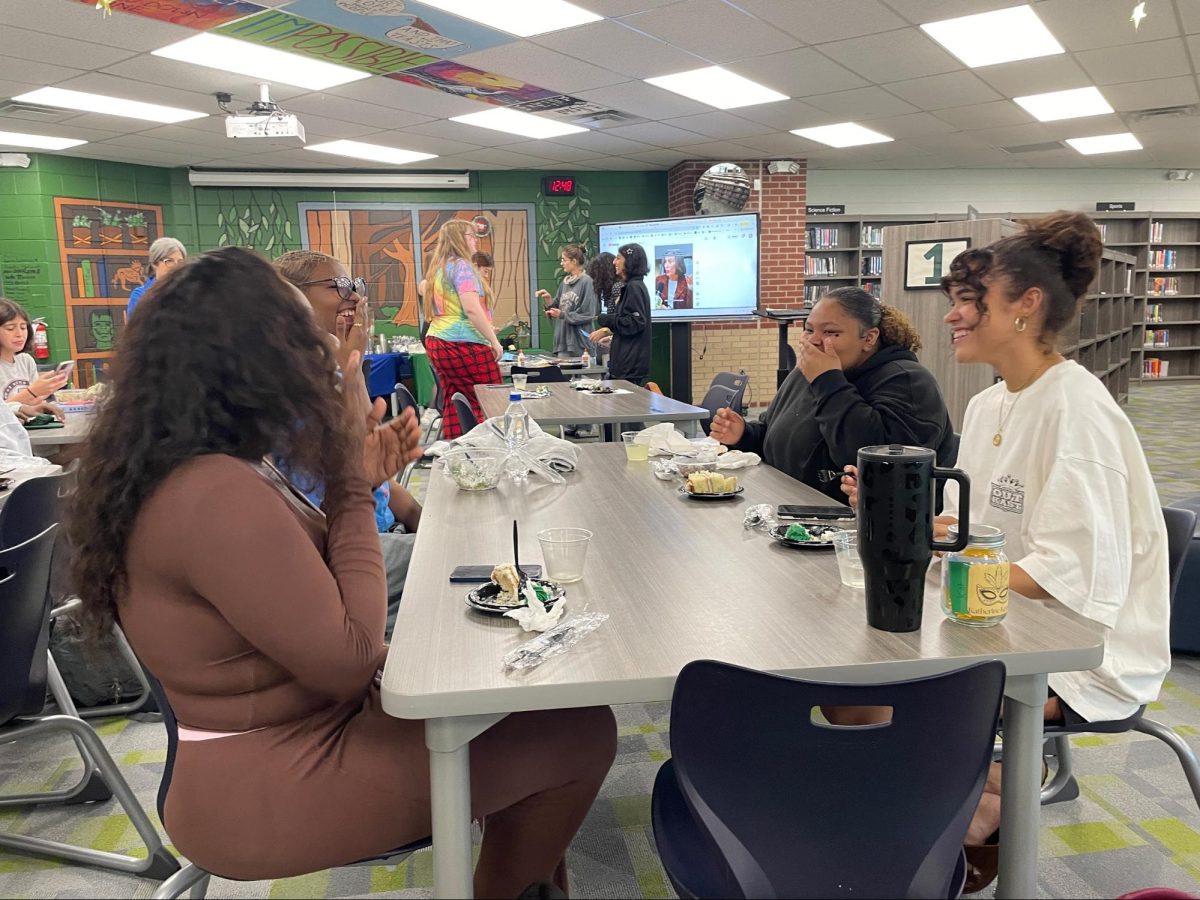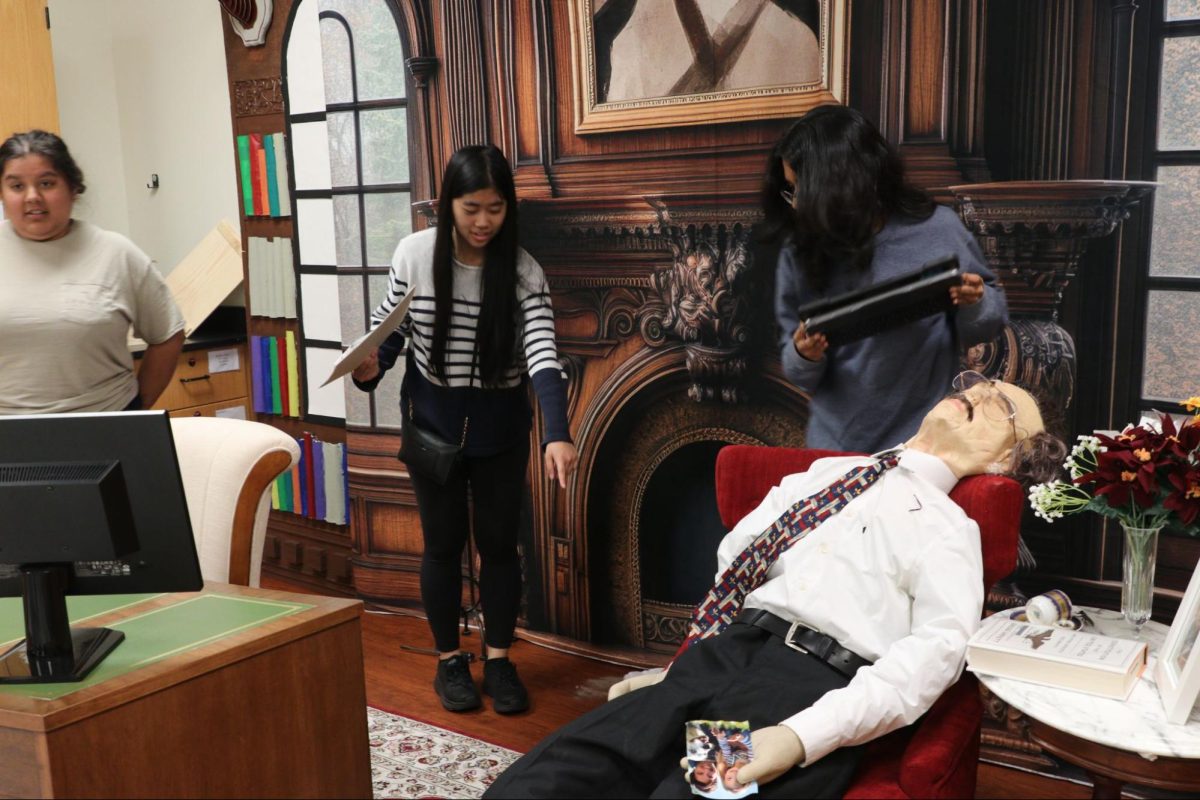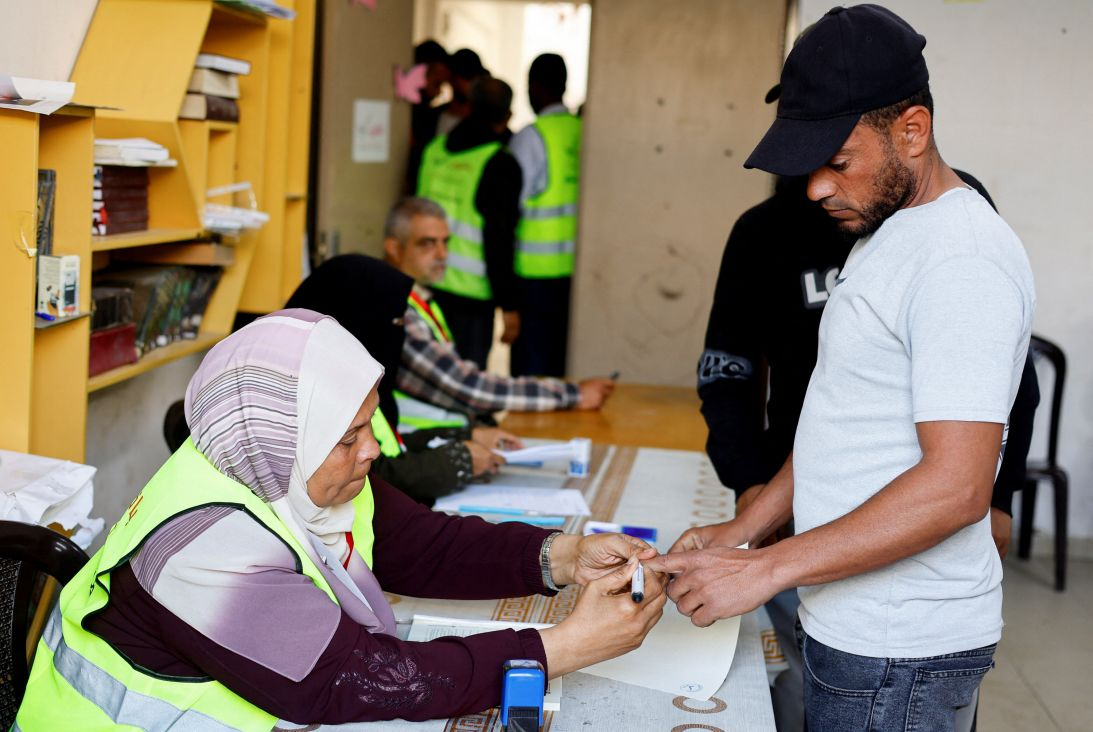
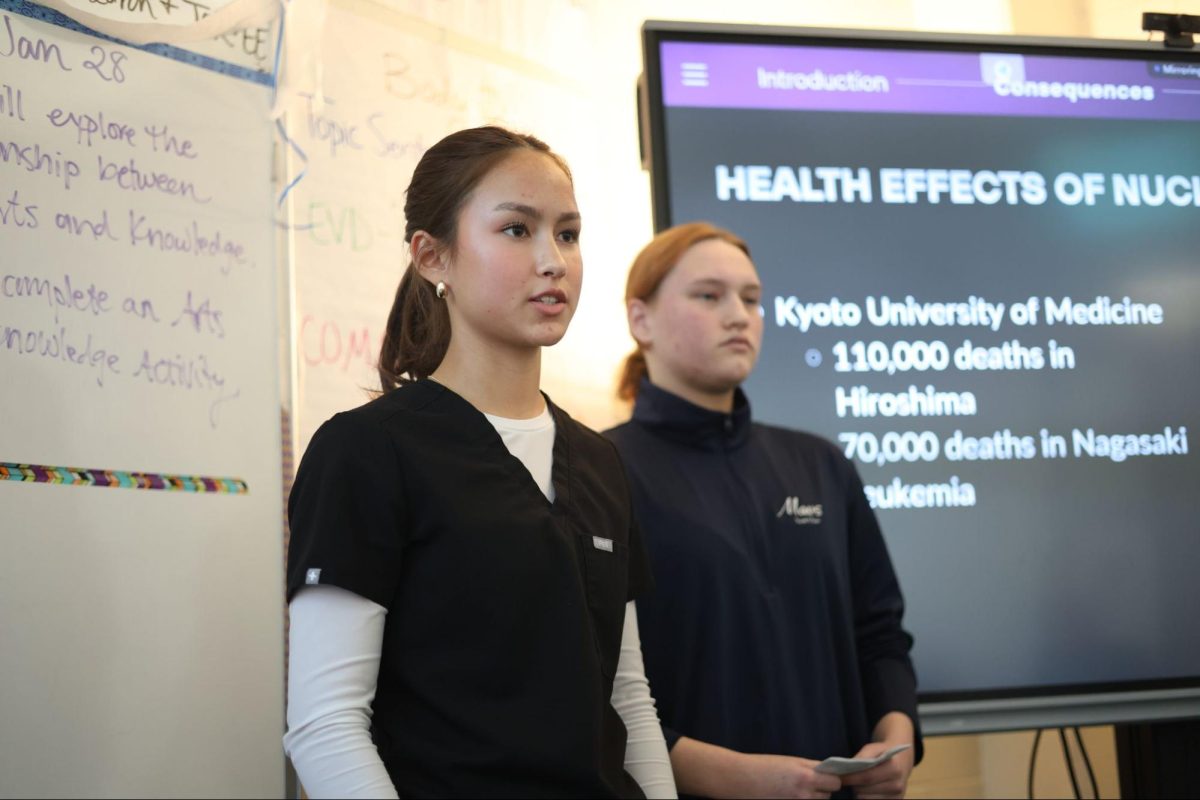
The AP Seminar class recently completed their Team Presentations, a major component of the College Board’s AP Capstone program that challenges students to research complex, real-world issues and present collaborative arguments.
AP Seminar is an advanced, project-based research course that allows students to investigate self-selected topics while developing college-level academic skills. The class emphasizes critical reading, source evaluation, argument building and public speaking through a yearlong inquiry process.
“AP Seminar teaches students advanced research skills and techniques,” teacher Erin Balfour said. “How to critically read research and evaluate the credibility of a source, how to manage time and backward design a project, how to work in a collaborative team, how to write well-supported arguments using line of reasoning and evidence and presentation skills.”
The Team Presentation, known as Task 1, requires students to work in groups to explore a shared research question, write individual research reports and combine their findings into a single cohesive argument delivered through a formal presentation. Junior Ariya Thompson said Task 1 needed preparation for a successful presentation.
“I prepared by meeting up with my team during and outside of school as well as calling to ensure we were prepared,” Thompson said. “While presenting, I was extremely nervous and scared to mess up.”
Thompson’s group focused on nuclear disarmament, advocating against deterrence policies due to the global risks posed by nuclear weapons.
“We picked this because we felt it was a relevant topic that needed to have light shined on,” Thompson said. “Countries having arms means they are ready and willing to destroy millions of lives, resulting in tension internationally.”
Junior Nikhil Sridharan said his experience in speech helped ease his anxiety during the presentation, though the process still pushed him academically.
“I prepared by creating the script and presentation during winter break to maximize memorization and flow time,” Sridharan said. “I felt pretty good about the presentation, but I was more nervous about the oral defense because it was impromptu.”
Sridharan’s group examined somatization in South Asian culture, a topic he said felt personally meaningful.
“[My group] is all South Asian and being teens, stress is such a huge thing we experience,” Sridharan said. “Being in a culture where expressing that may be seen as disrespectful, we wanted to go more in depth about this issue.”
Senior Madelyn Cregar said the structure of the course helped make the research process manageable and rewarding.
“We prepared by doing the necessary research and reading each other’s essays,” Cregar said. “We combined our work with a central idea, making it cohesive.”
Cregar added that the class reshaped her perspective on research-based projects.
“This experience taught me that research projects aren’t bad at all,” Cregar said. Especially when you have a great teacher to break it down for you.”
Task 1 accounts for 20% of a student’s AP score, 10% is the presentation itself and is part of the AP Seminar portfolio submitted to the College Board. Balfour said the skills students gain often extend beyond the classroom.
“Lots of returning college students have told me how much they used AP Seminar skills at college,” Balfour said. “It puts them way ahead of other students in their classes. In addition, the class is now weighted in the GPA, and carries value in the college application cycle as it is part of the AP Capstone program.”
Balfour encourages students interested in research and independent inquiry to consider enrolling in the course.
“If students want to have an opportunity to research topics they are interested in,” Balfour said. “And those topics don’t really come up in other classes, AP Seminar presents them a way to study those topics.”