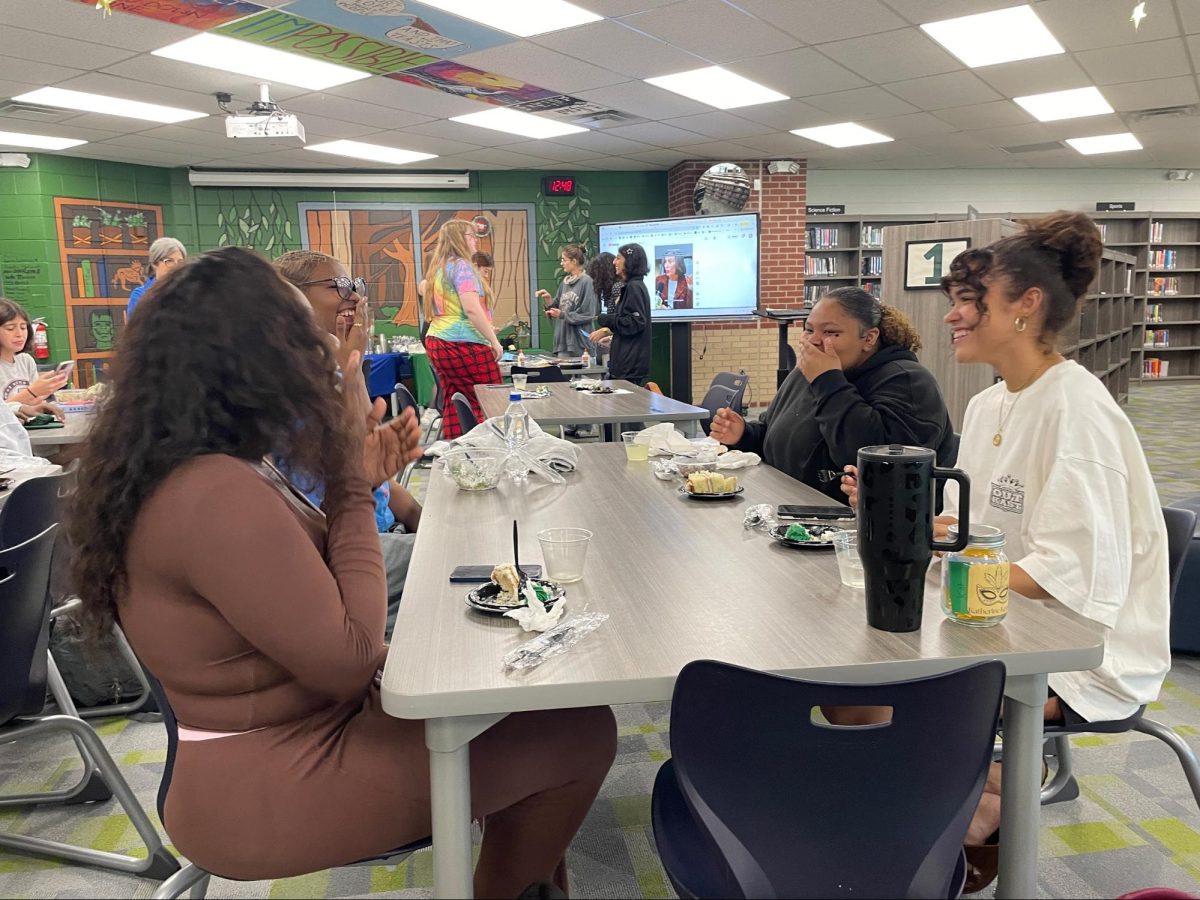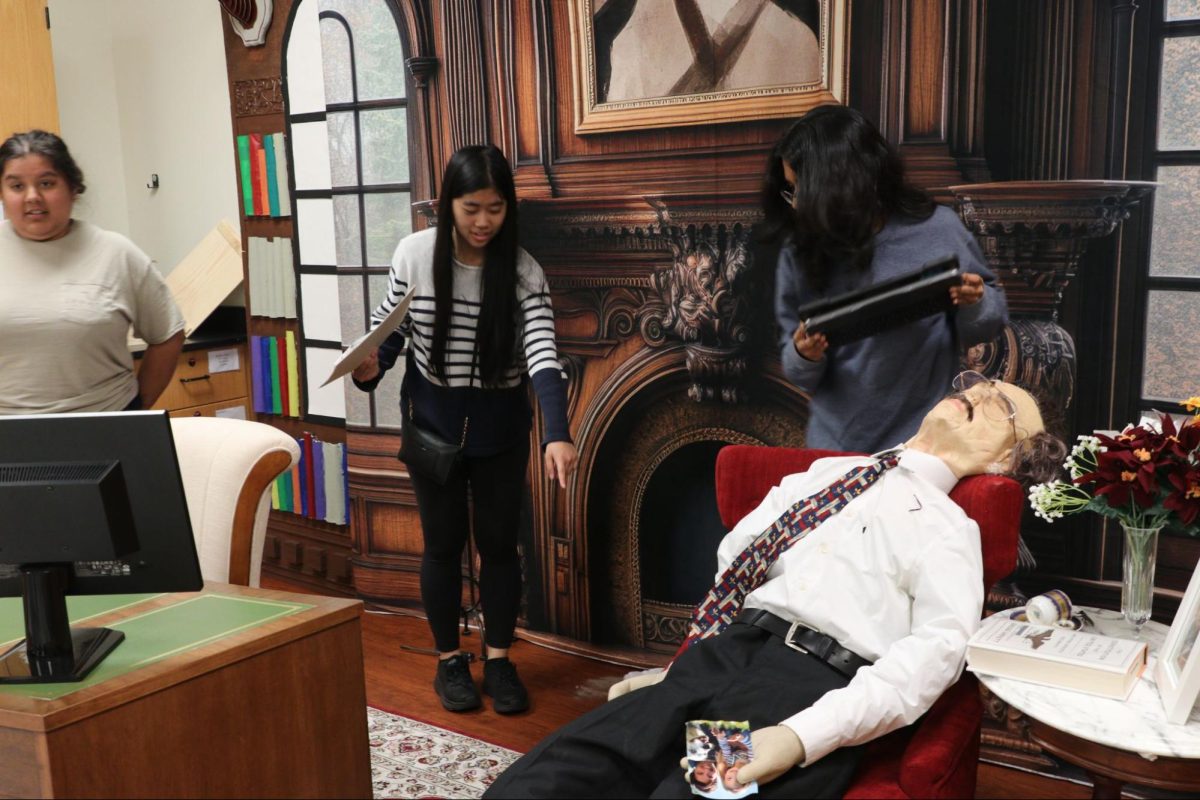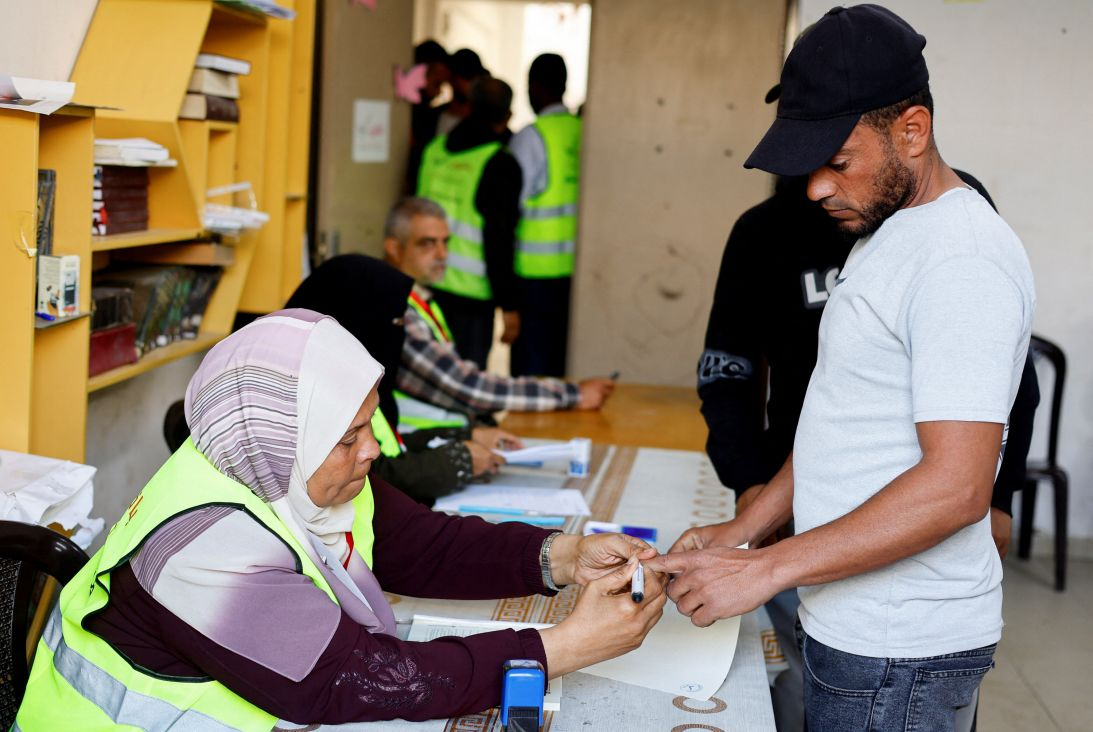
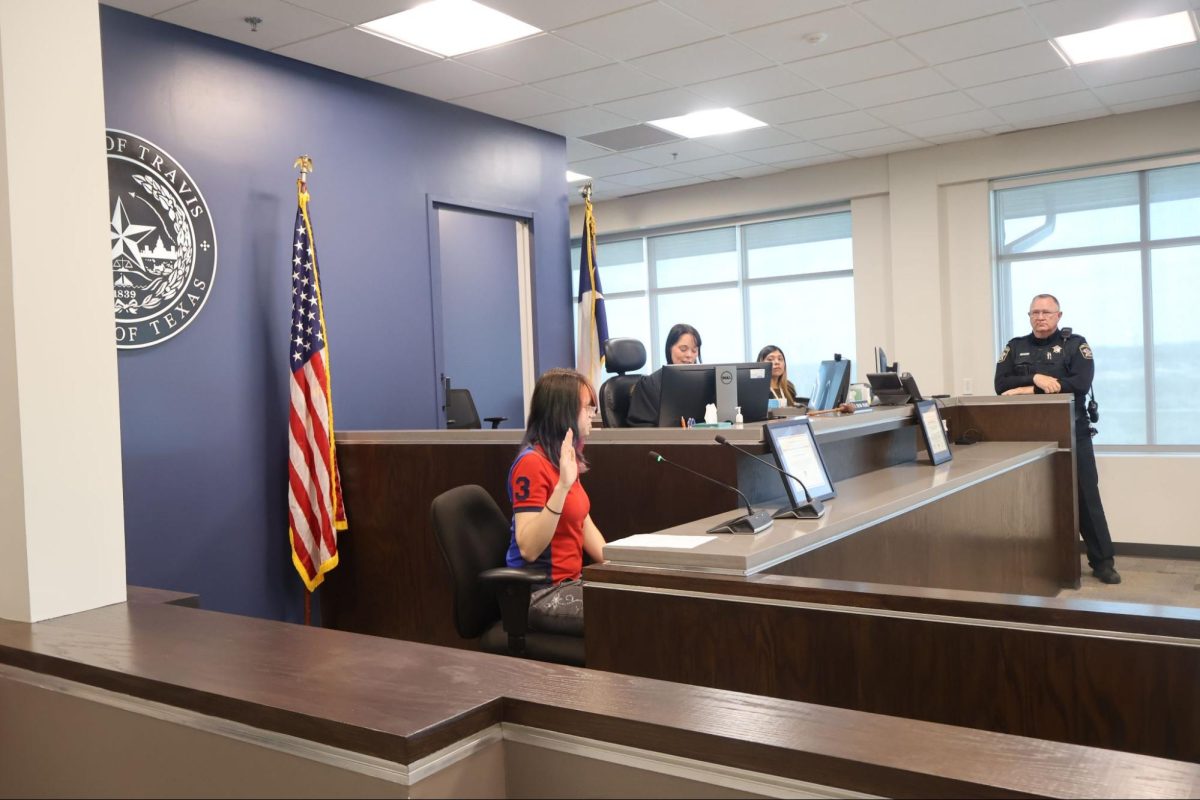
The echo of a gavel replaced the buzz of classroom chatter as forensics students took their seats inside a real Travis County courtroom. Instead of lab tables and fingerprint powder, they faced a judge’s bench, jury box and witness stand. For many students, it was their first time inside an active courthouse. But rather than observing quietly, they would soon step into the roles of attorneys, witnesses and jurors in a live mock trial.
The field trip was designed to connect forensic science to its ultimate destination, the courtroom. While students spend months learning how to collect and analyze evidence, the trip allowed them to see how that evidence is presented, challenged and interpreted within the legal system. Through a consumer deception case involving “British” tea advertised from London but actually produced in London, Texas students examined how wording, packaging and marketing can influence legal outcomes. The experience emphasized not only science, but civic responsibility, communication skills and critical thinking. According to their teacher, the goal was to move beyond textbooks and into real-world application.
“The field trip to the courthouse is designed for the students to see the legal side of forensics,” forensics teacher Carol Seng said. “Forensics is to supply the data for the legal system to make judgments.”
Seng explained that in class, students focus heavily on collecting and analyzing evidence. However, that is only one piece of the process. The courtroom visit demonstrates how evidence becomes part of a larger narrative shaped by questioning, cross-examination and jury interpretation.
“In the forensic course we learn to collect and analyze the evidence,” Seng said. “The mock trial demonstrates how the evidence is presented to the court and is used to determine guilt or innocence.”
Presiding over the mock trial was Justice of the Peace Sylvia Holmes, who serves Precinct 3 in Travis County. Her courtroom typically handles civil lawsuits up to $20,000, evictions, Class C citations and other community-level cases. On this day, however, her courtroom became a learning lab for high school students.
“I love what I do,” Holmes said. “But I’d rather get them interested or intrigued before they’ve gotten in trouble. Let’s have you come visit a court without getting a ticket.”
Holmes said the case students worked through was intentionally realistic. Although the subject of a dispute over tea branding sounded humorous at first, she explained that consumer confusion cases are common in small claims courts.
“The subject matter is very accurate,” Holmes said. “The hesitancy, the confusion, the feeling unprepared, that’s very accurate to real life.”
Students took on roles ranging from plaintiff and defendant to expert witnesses and jurors. Some volunteered to argue the case, while others were randomly assigned seats in the jury box. The experience required quick thinking, public speaking and the ability to respond under pressure.
Senior Megan Nguyen, who served on the jury, said stepping into a courtroom felt intimidating at first. Being in an official legal space made the mock trial feel more serious than a classroom simulation.
“It was my first time in a courtroom,” Nguyen said. “It was a little nerve wracking.”
As the case unfolded, students examined website screenshots, product packaging and marketing slogans. The central question was whether the tea company intentionally misled customers by advertising “London” without clarifying it was London, Texas.
“The evidence was that the marketing was misleading,” senior Christina Camacho said, who served as an expert witness. “There was a Big Ben tower, so it was just misleading.”
For jurors, the most difficult task was weighing both sides objectively. Even when evidence seemed obvious, students had to consider intent, wording and consumer interpretation. That process required more analysis than many expected.
“The most challenging part was deciding a verdict,” Nguyen said. “And how much compensation the plaintiff would be getting if any.”
Senior Alexander Dominguez, who acted as foreman for one jury, said hearing both arguments forced him to look beyond surface assumptions. While the packaging suggested British origins, certain labels indicated American production.
“Hearing both sides of the argument was challenging,” Dominguez said. “You can see what the packaging looks like, so you’re kind of like, really, you didn’t see that?”
Holmes noted that the students’ nervousness mirrored real courtroom behavior. Plaintiffs, defendants and even attorneys often stumble through testimony when under pressure. The mock trial revealed that reality clearly.
“Standing in front of a crowd and even sitting at the desk and having to make a statement is scary,” Holmes said. “Very accurate to how plaintiffs and defendants behave in real court.”
Seng believes that authenticity is what makes the experience impactful. While she could lecture about jury selection or courtroom procedure, participating firsthand creates a deeper understanding.
“When students have to put it in action in a real setting, seeing the careers interact with each other and the realistic nervous energy from the witnesses makes for a much deeper understanding,” Seng said.
Beyond evidence and arguments, Holmes emphasized practical life lessons. Many small claims cases, she explained, result from poor documentation and deleted digital records. She encouraged students to keep receipts and written agreements even in everyday transactions.
“Be cognizant of anything involving money, and keep detailed records,” Holmes said. “Keeping those receipts really helps prove your case.”
For students, the trip reshaped how they view forensic science’s role in the justice system. Evidence does not stand alone; it must be explained clearly, defended effectively and interpreted fairly.
“It definitely gave me a better idea on what to expect, how it works, and the kind of experience you’re getting,” Nguyen said.
As the mock trial concluded and verdicts were delivered, the courtroom slowly returned to its regular purpose. But for the students who participated, the experience left a lasting impression about responsibility, communication and civic duty.
“I want students to see what it is like to participate in a trial,” Seng said, “and understand that what they see on TV is not reality.”